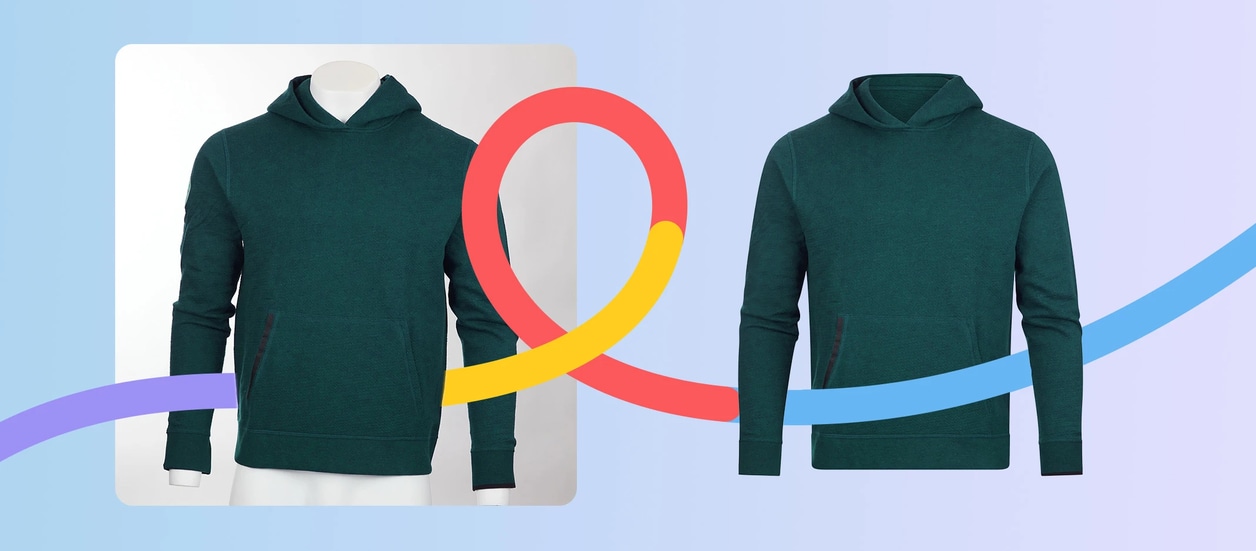
Great clothing deserves great product photography.
Even if a garment is beautifully designed and made from premium materials, poor ghost mannequin clothing photography can make it appear flat, ill-fitting or low quality. Customers can’t touch the fabric or try the garment on, so the product images become one of the biggest factors influencing how they perceive its value.
Fortunately, most ghost mannequin photography mistakes are easy to avoid once you know what to look for.
In this guide, we’ll cover some of the most common mistakes that make clothing look cheap and explain how better photography and ghost mannequin editing can create cleaner, more professional ecommerce images.
Mistake 1: Photographing Creased or Poorly Prepared Garments
No amount of editing can completely disguise a poorly prepared garment.
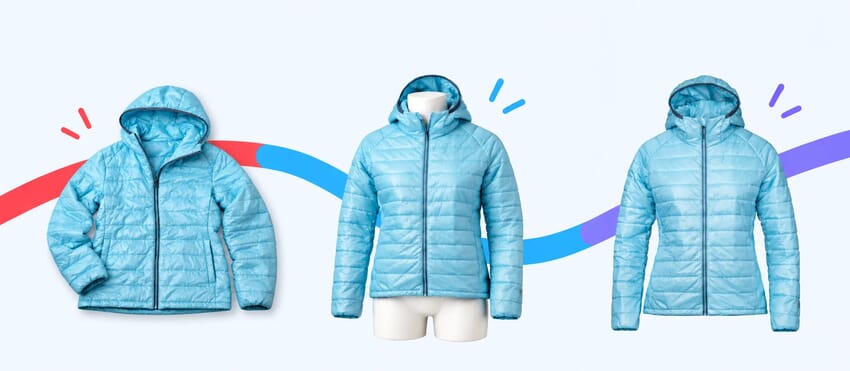
Creases, twisted seams, folded collars and visible lint immediately reduce the perceived quality of a product. Even premium clothing can appear inexpensive if it hasn’t been properly steamed and prepared before the shoot.
Taking time to prepare each garment before photography dramatically improves the final result while reducing the amount of retouching required afterwards.
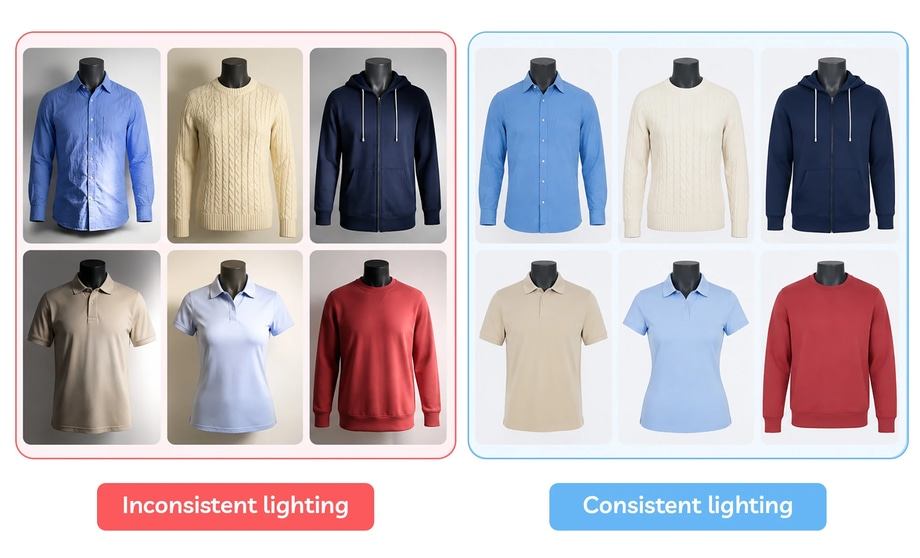
Mistake 2: Inconsistent Lighting
Lighting has a huge influence on how customers perceive colour, texture and quality.
If some garments appear brighter than others or shadows fall in different directions, the catalogue quickly begins to look inconsistent.
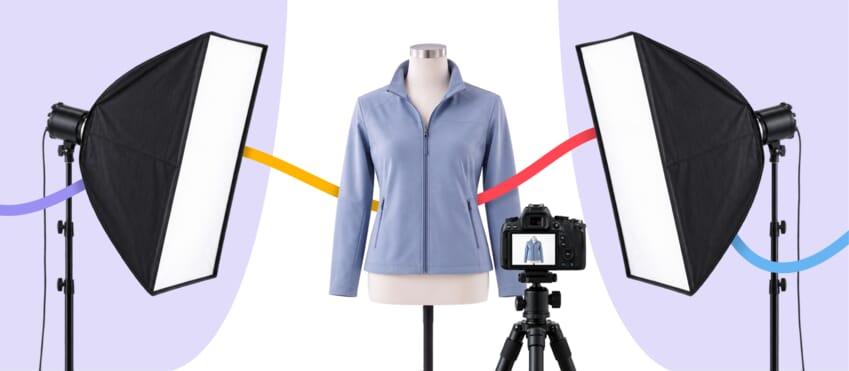
Keeping your lighting setup identical throughout the shoot helps create a professional collection of images where every product feels like part of the same brand.
Mistake 3: Poor Garment Positioning on the Mannequin
Ghost mannequin photography should make clothing look natural – not awkward.
Twisted sleeves, uneven hems or poorly positioned collars can distort the shape of a garment and give customers the wrong impression of how it fits.
Taking a few moments to position the garment correctly before each photograph produces a much more realistic finished image.
The video below demonstrates the correct positioning techniques for photographing trousers and jeans, helping you achieve a more natural-looking ghost mannequin effect.

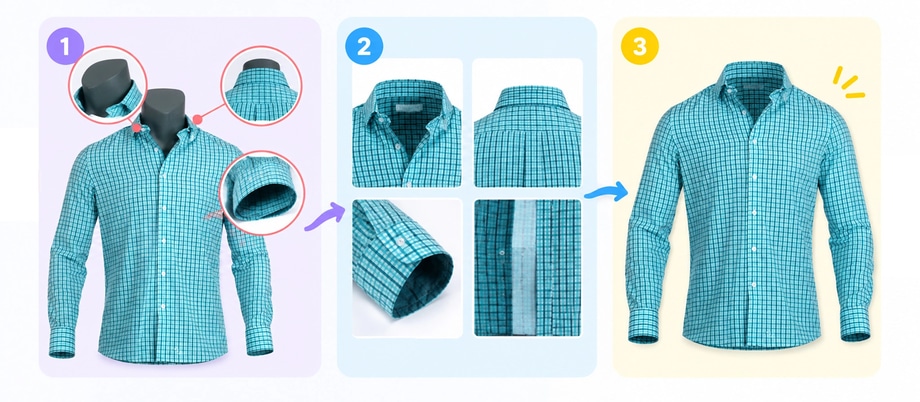
Mistake 4: Missing Hidden Details
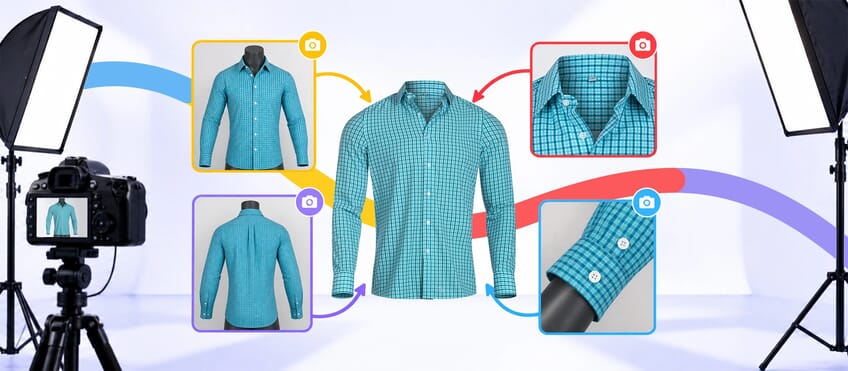
One of the biggest mistakes is forgetting to photograph the areas hidden by the mannequin.
If the inside collar, neckline or hood isn’t captured separately, editors have to recreate these areas manually, which can increase editing time and produce less convincing results.
Capturing every required angle during the shoot creates a cleaner, more realistic ghost mannequin effect.
Mistake 5: Inconsistent Editing Across the Catalogue
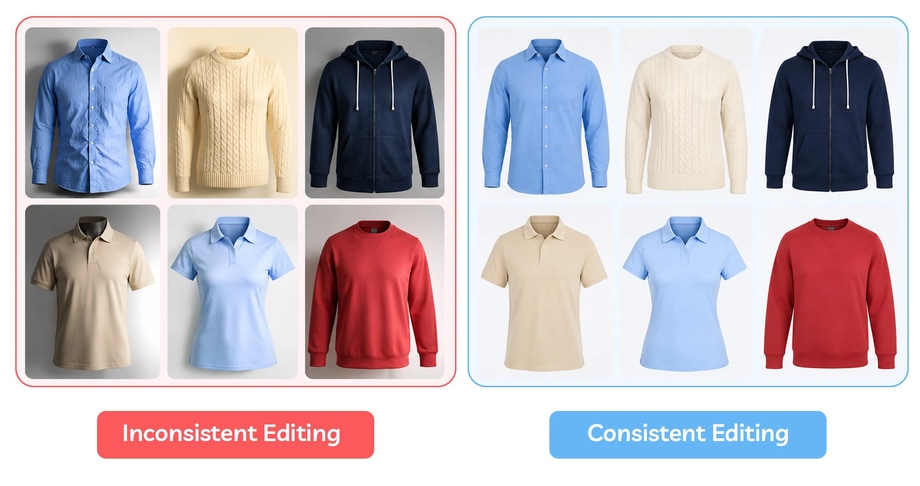
Customers may not consciously notice editing, but they quickly notice inconsistency.
If one garment has bright whites, another has a warmer colour tone and a third has rough cut-out edges, the catalogue starts to feel less professional.
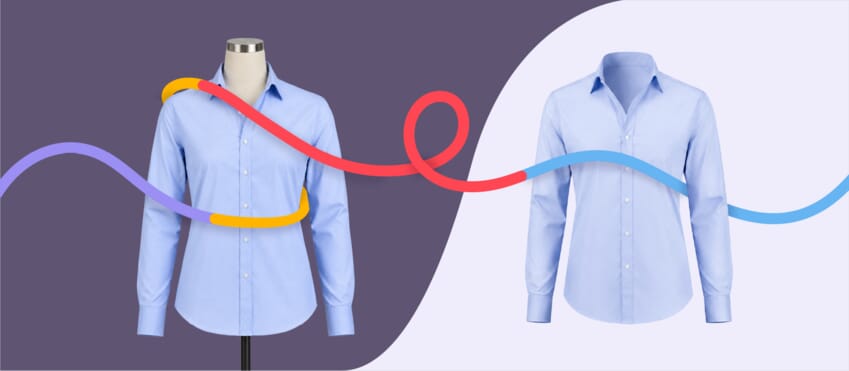
Consistent ghost mannequin editing helps every product appear as though it belongs to the same collection, strengthening both your brand identity and the shopping experience.
Mistake 6: Choosing Speed Over Quality
As product volumes grow, it can be tempting to rush photography or editing to get products online more quickly.
However, inconsistent preparation, rushed photography and poor-quality editing often create extra work later. Products may need to be reshot, colours corrected or images re-edited to achieve a consistent standard.
A structured workflow that prioritises quality from the outset is usually faster and far more cost-effective in the long run.
Small Mistakes Can Have a Big Impact
Customers often make decisions about a product within seconds of seeing it online. Clean, consistent ghost mannequin photography helps clothing look more professional, communicates quality and gives shoppers greater confidence in what they’re buying.
By preparing garments carefully, capturing the right photographs and maintaining consistent editing across your catalogue, you can avoid the common mistakes that make clothing look cheap and create product images that reflect the true quality of your brand.
If you’re managing a growing clothing catalogue, professional ghost mannequin editing can help you maintain that consistency while reducing production time and ensuring every product image reflects the quality of your brand.