What Is the Ghost Mannequin Effect? A Complete Beginner’s Guide
The ghost mannequin effect is one of the most widely used techniques in apparel ecommerce. Discover how it’s created, why brands use it and when it’s the best choice for clothing product photography.

By
In this article
- What Is the Ghost Mannequin Effect?
- Why Is It Called the Ghost Mannequin Effect?
- How Is the Ghost Mannequin Effect Created?
- Why Do Fashion Brands Use the Ghost Mannequin Effect?
- When Should You Use the Ghost Mannequin Effect?
- Ghost Mannequin Effect vs Other Product Photography Styles
- Common Misconceptions About the Ghost Mannequin Effect
- Is the Ghost Mannequin Effect Right for Your Business?
If you’ve ever shopped for clothing online, you’ve almost certainly seen the ghost mannequin effect – even if you didn’t realise it had a name.

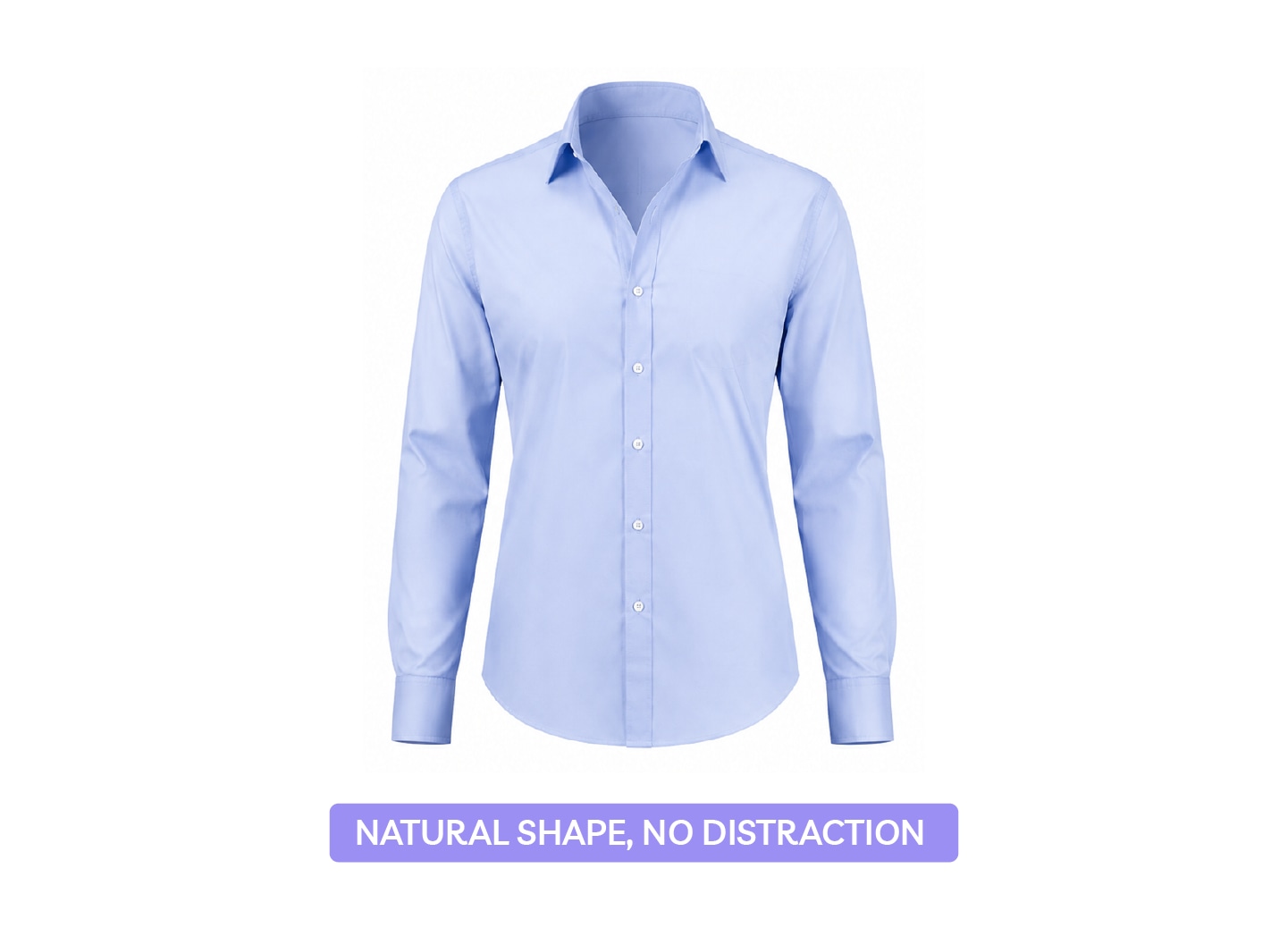
From fashion retailers to luxury clothing brands, it’s one of the most widely used techniques in ecommerce product photography. Instead of displaying garments on visible mannequins or models, the clothing appears to float naturally in three dimensions, allowing customers to see its shape, fit and construction without distraction.
The result is a clean, professional product image that showcases the garment’s shape and construction while keeping the focus entirely on the clothing.
Although the finished image looks simple, creating a convincing ghost mannequin effect requires careful photography, multiple images and skilled post-production editing.
In this guide, we’ll explain exactly what the ghost mannequin effect is, how it’s created, why it’s become the preferred choice for many clothing retailers and when it works best.
What Is the Ghost Mannequin Effect?
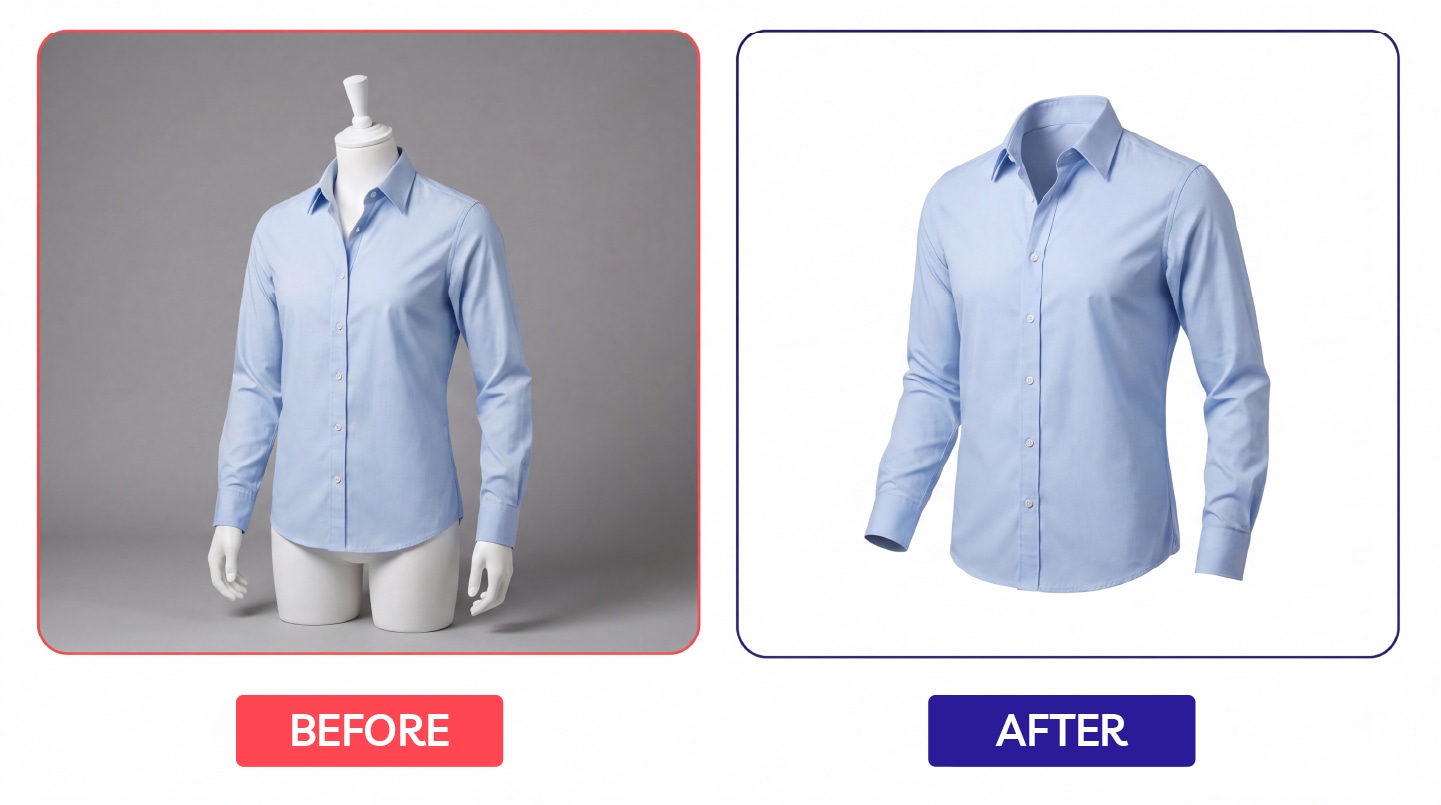
The ghost mannequin effect is a photo editing technique used to make clothing appear as though it is being worn by an invisible person.
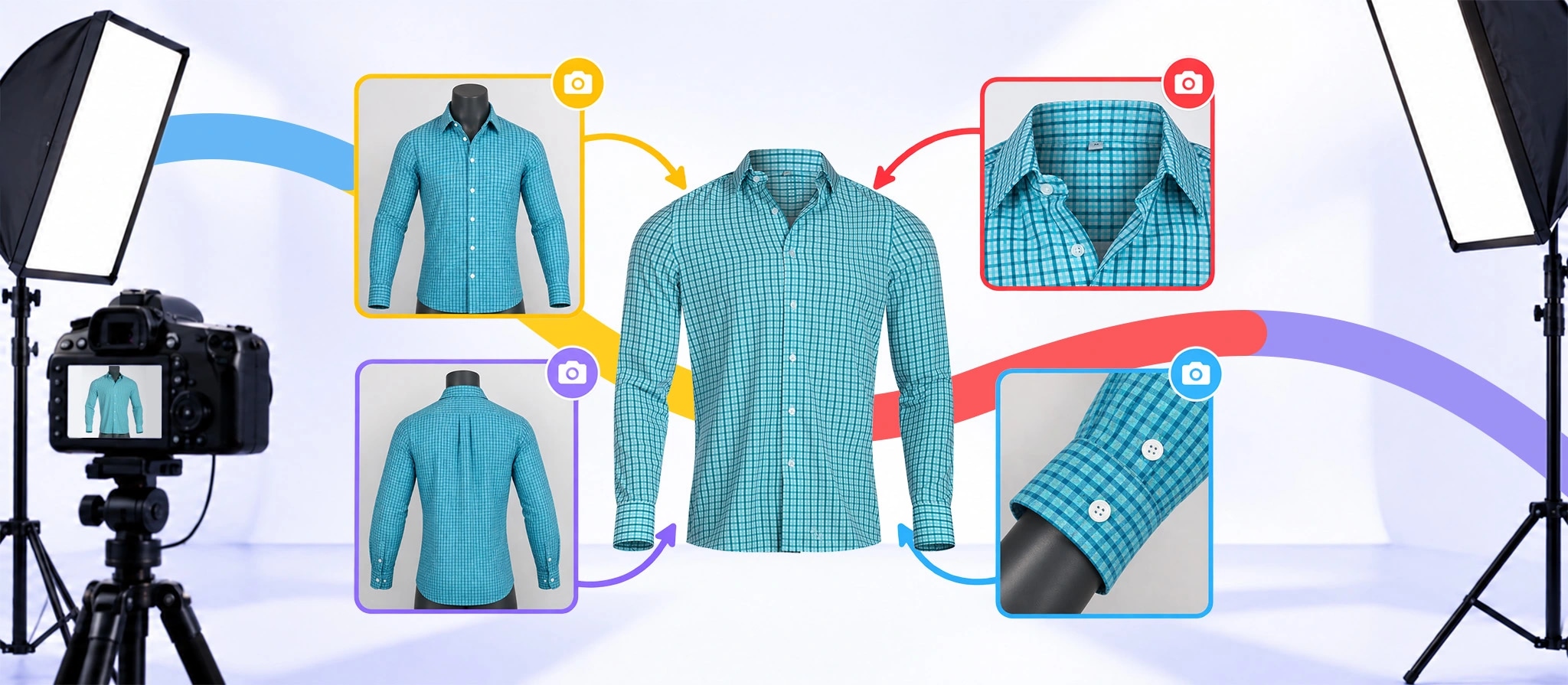
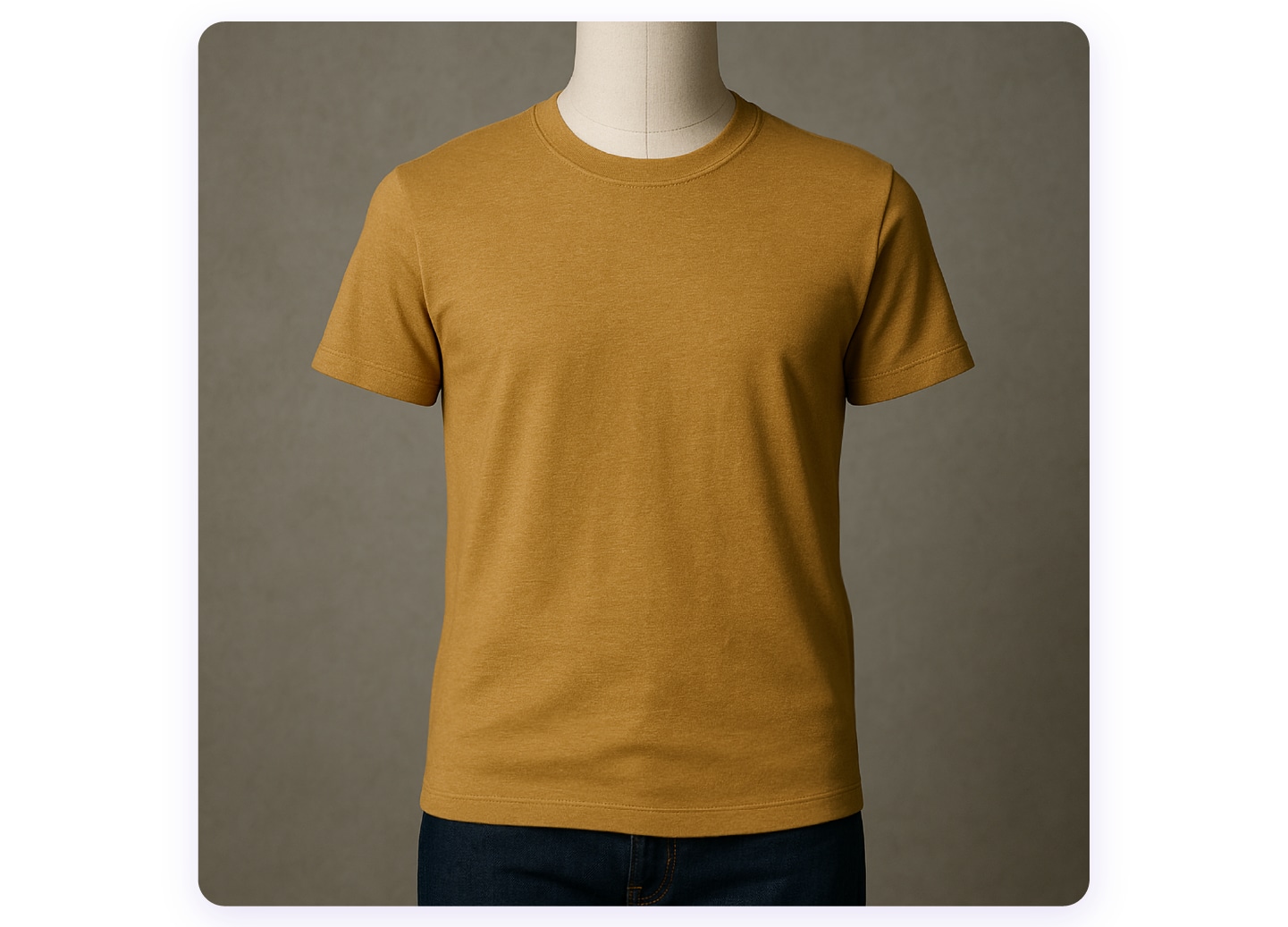
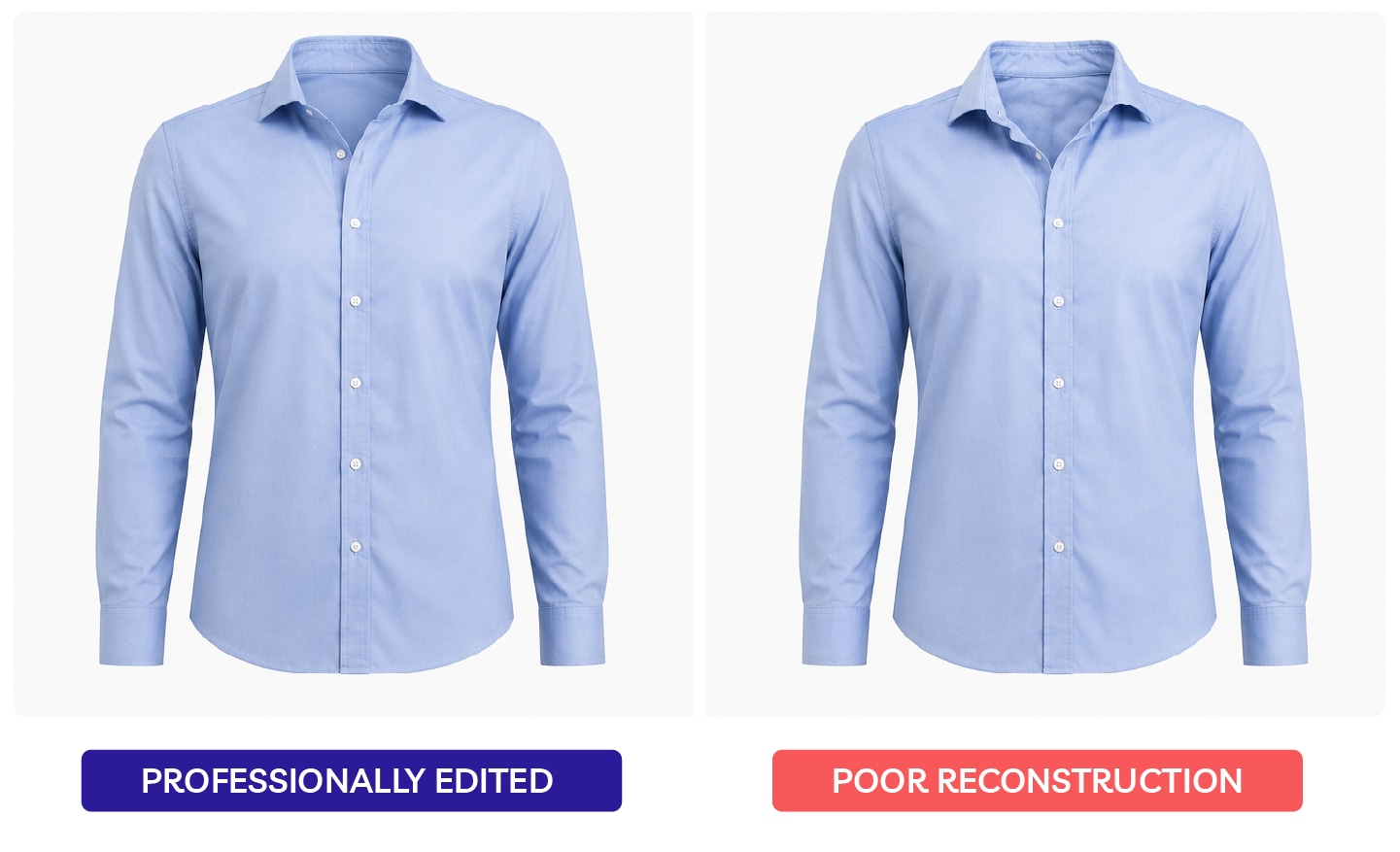
The garment is first photographed on a mannequin to capture its natural shape and structure. Additional photographs are then taken of areas hidden by the mannequin, such as the inside of the collar or the back of the neckline. During editing, the mannequin is completely removed and the separate images are carefully combined to create a seamless, three-dimensional product photograph.
The finished result gives customers a much clearer understanding of how a garment fits and hangs while keeping the attention entirely on the clothing itself.
Why Is It Called the Ghost Mannequin Effect?
The technique gets its name from the finished image. Once the mannequin has been removed during editing, the garment appears to hold its shape as though it is being worn by an invisible person or “ghost”.
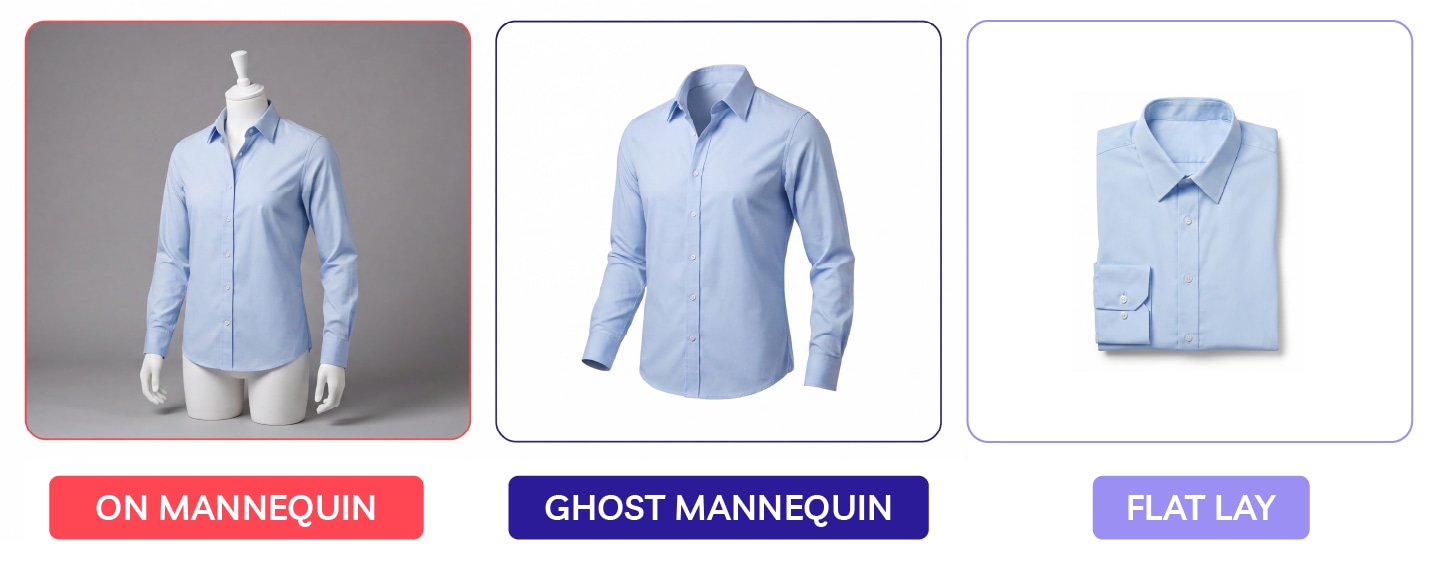
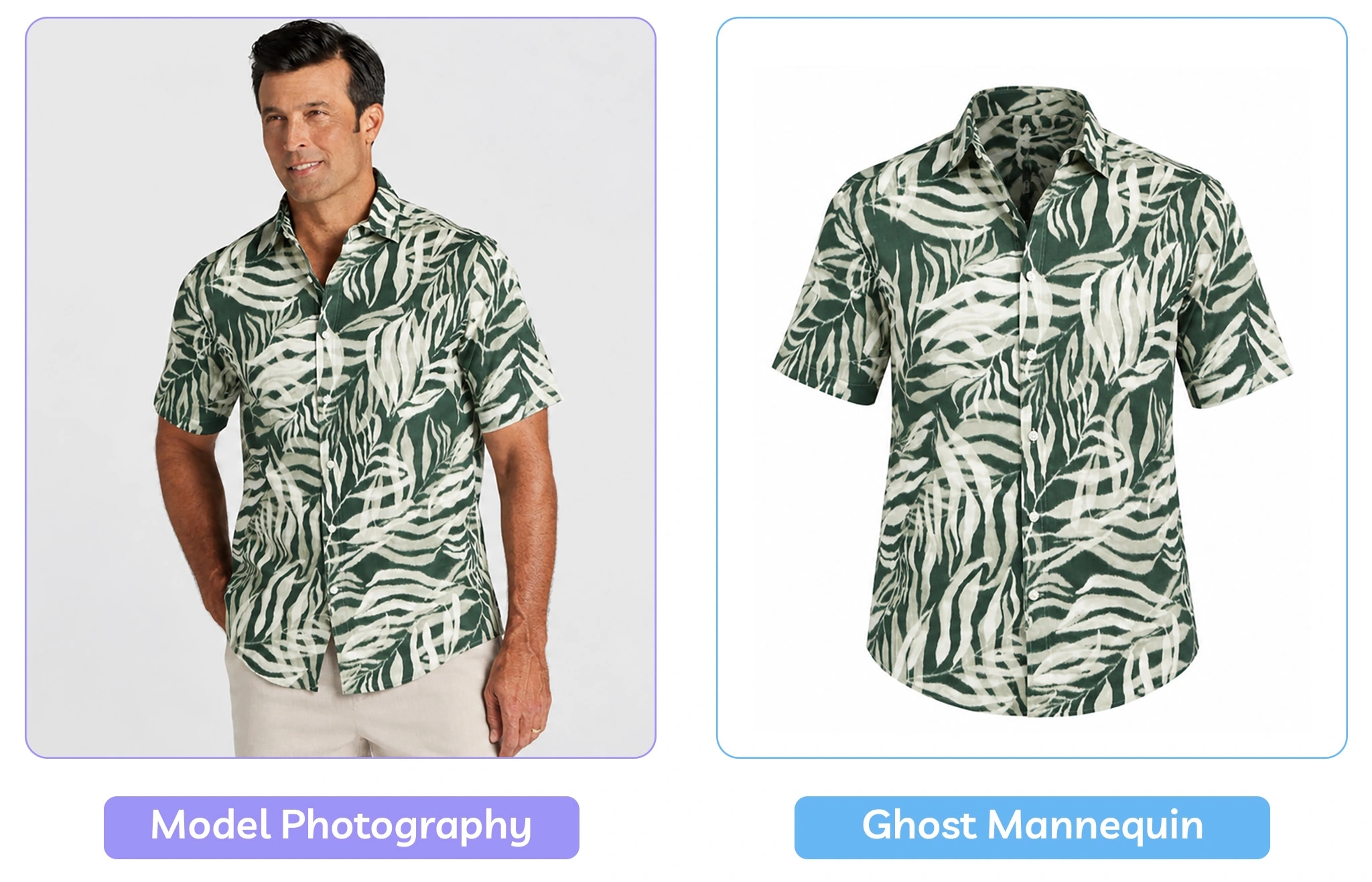
Unlike flat lay photography, where clothing is photographed on a surface, or model photography, where attention is naturally shared between the model and the garment, the ghost mannequin effect allows customers to focus entirely on the product. The clothing retains its natural shape and structure without any visible mannequin or body underneath.
This creates a clean, distraction-free image that helps customers understand how the garment will look when worn while keeping the emphasis firmly on the product itself.
How Is the Ghost Mannequin Effect Created?
Although every studio has its own workflow, the ghost mannequin effect is typically created using the following five-step process:
- Photograph the garment on a mannequin to capture its natural shape and fit.
2. Take additional photographs of any areas hidden by the mannequin, such as the inside collar, neckline or back panel.

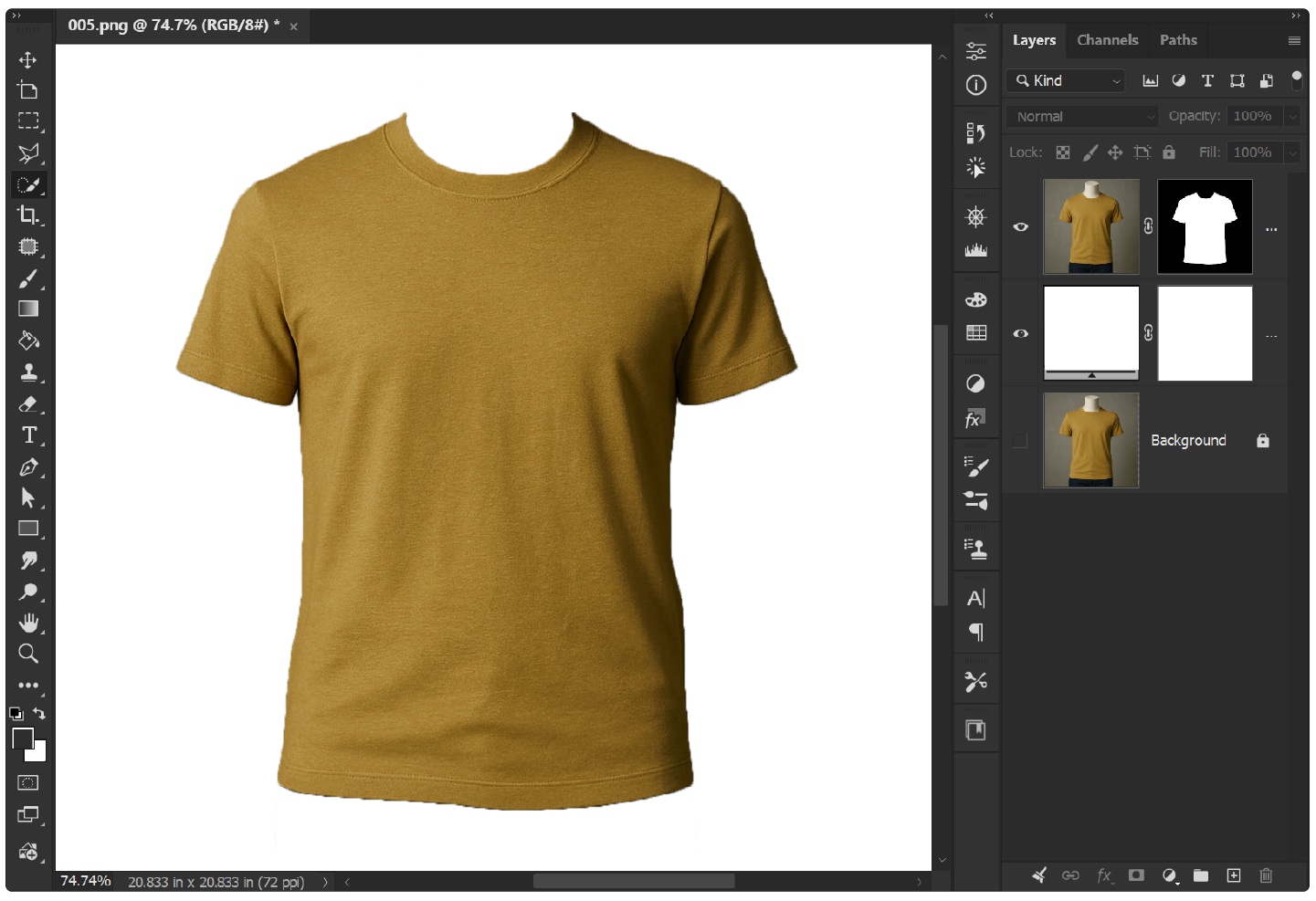
3. Remove the mannequin using professional editing techniques, including clipping paths and layer masking.
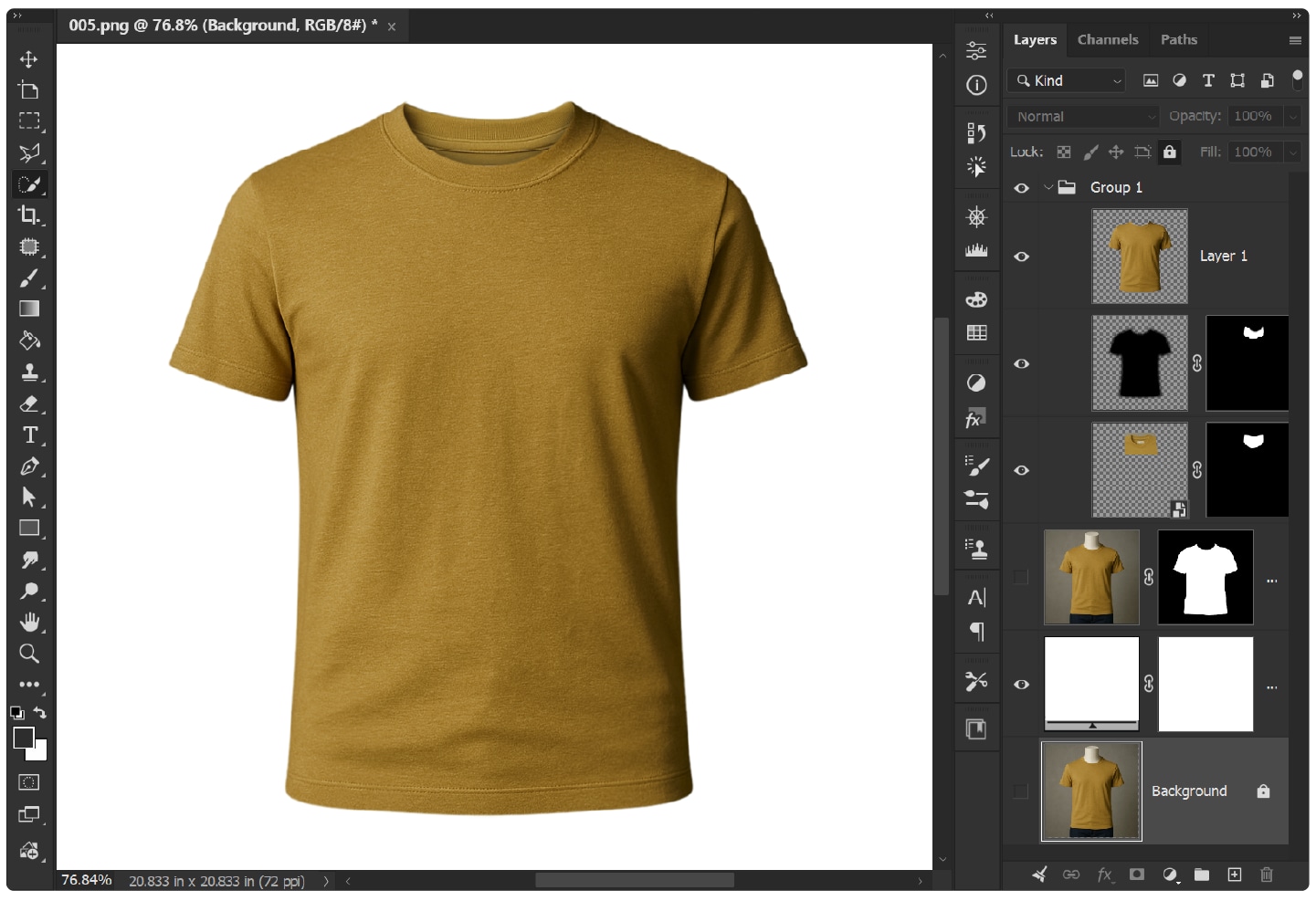
4. Combine the images to reconstruct hidden areas and create a seamless, three-dimensional result.
5. Retouch and refine the image by correcting colours, removing creases where appropriate and ensuring the garment looks clean and consistent.
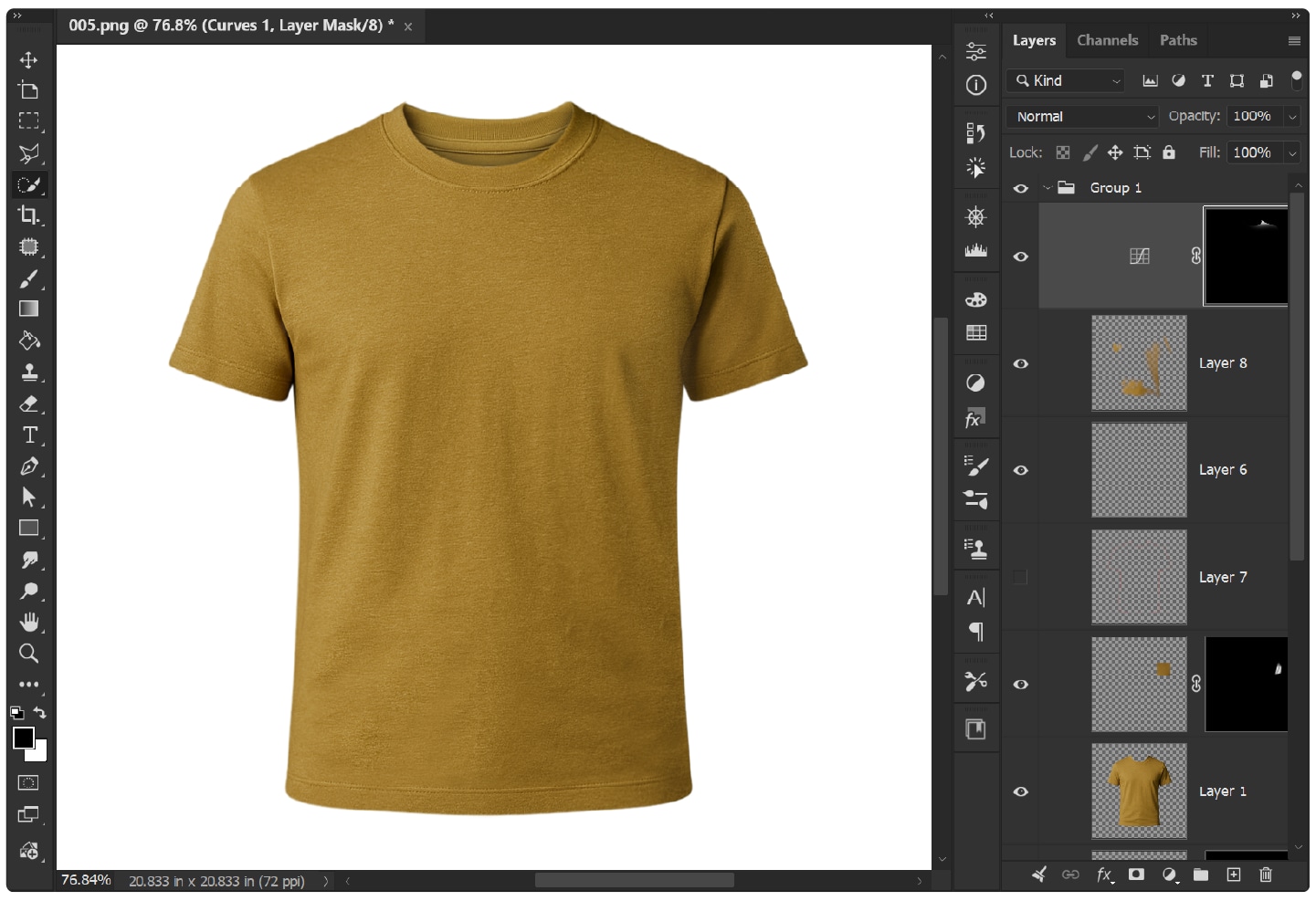
The result is a realistic product image that looks as though the garment is being worn by an invisible model.
Why Do Fashion Brands Use the Ghost Mannequin Effect?
The ghost mannequin effect has become the preferred product photography technique for many fashion retailers because it presents clothing consistently while keeping the focus entirely on the garment.
Some of its biggest advantages include:
- Shows the garment’s natural shape without the distraction of a visible mannequin.
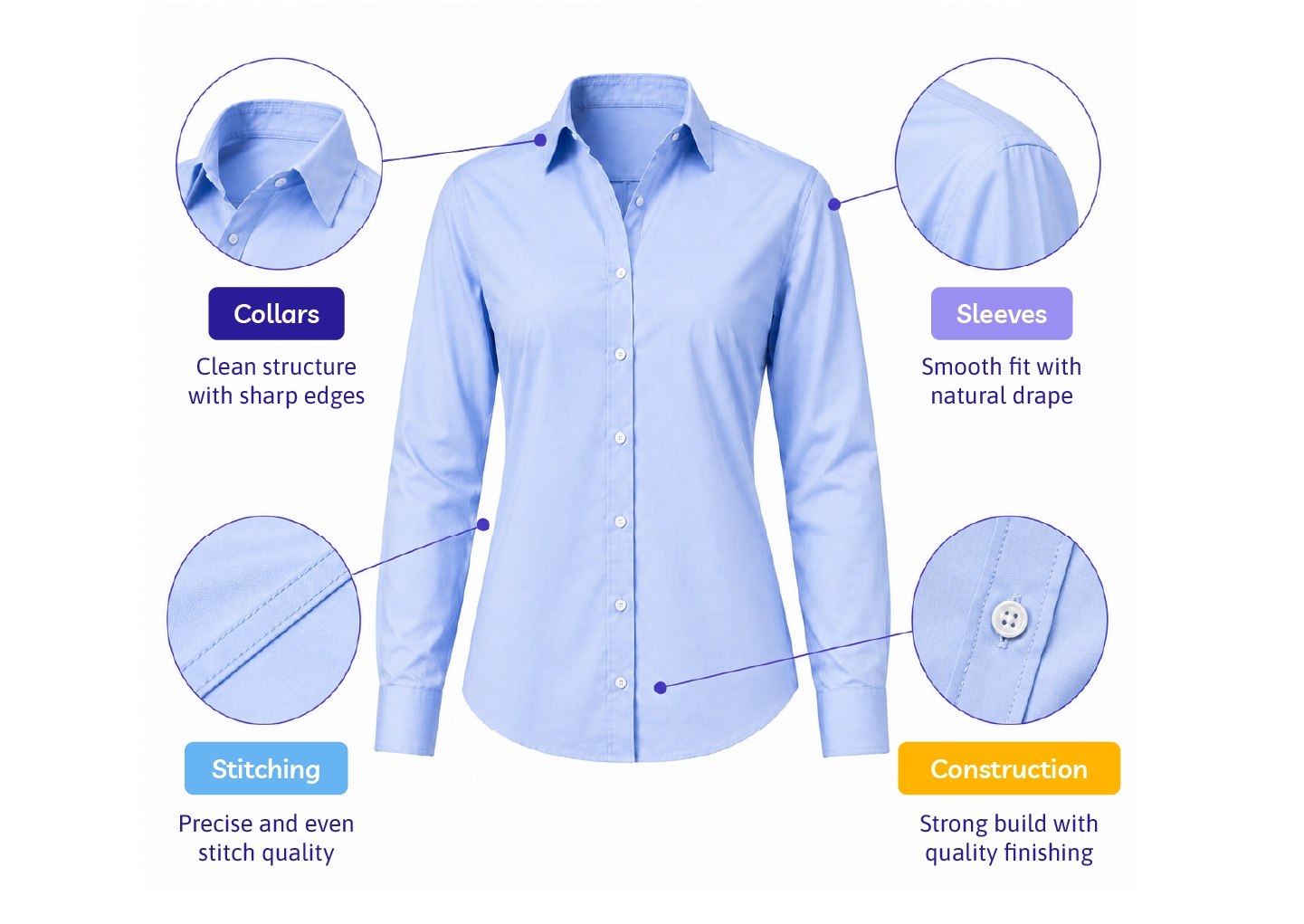
- Highlights important design details such as collars, sleeves, stitching and construction.
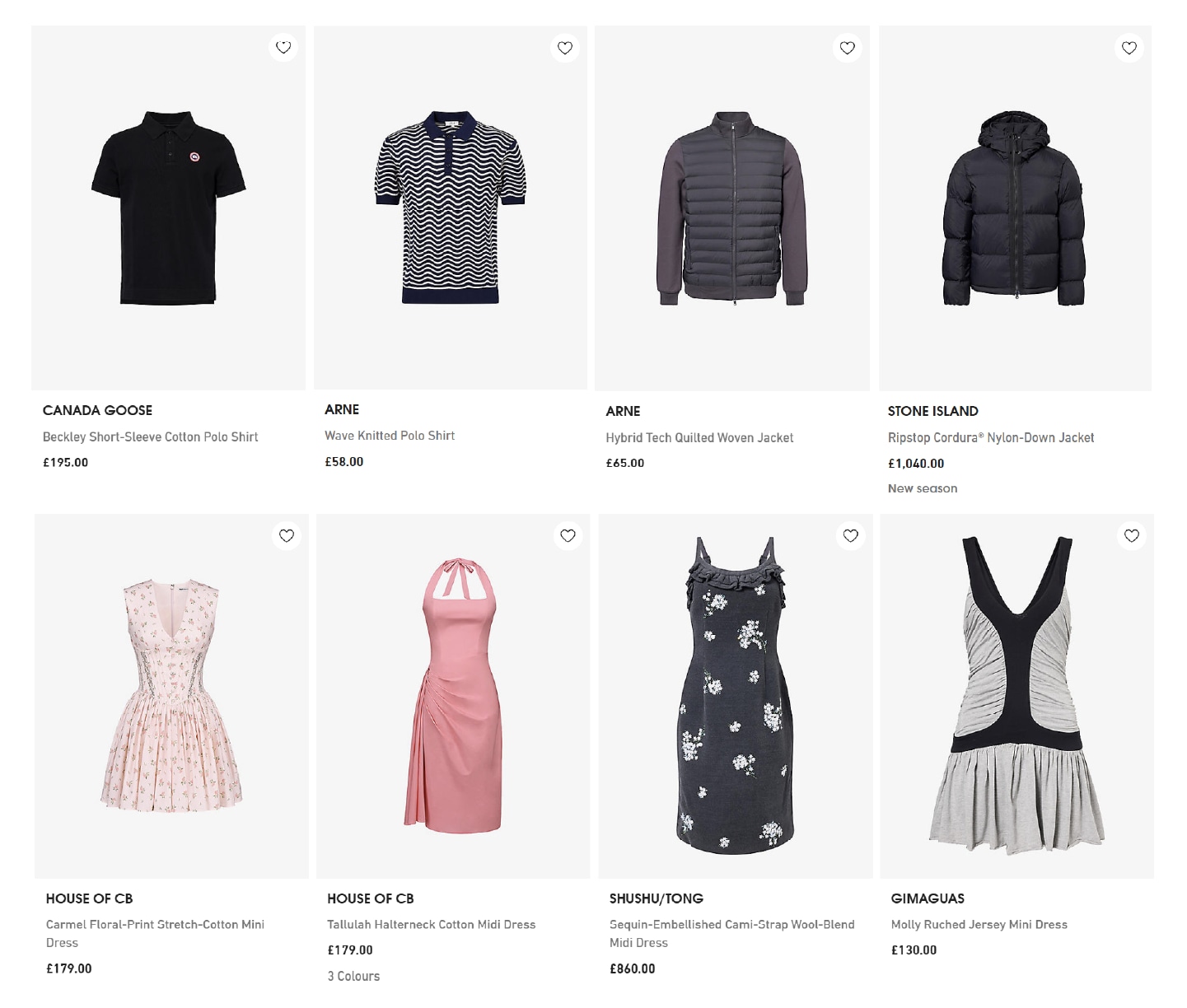
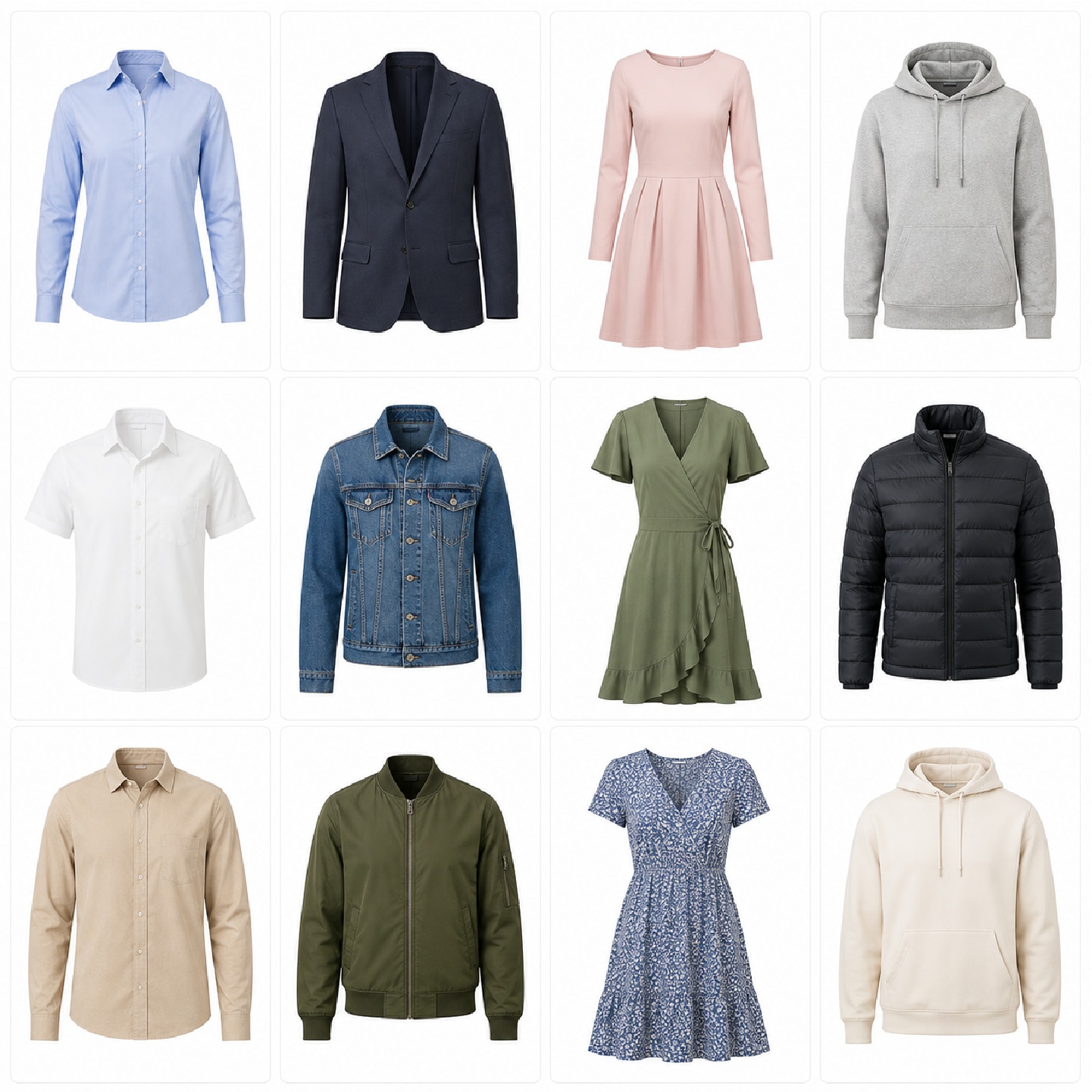
- Creates a consistent look across an entire product catalogue.
- Keeps the focus on the clothing, rather than the person wearing it.
- Works across multiple ecommerce platforms, including branded websites and online marketplaces.
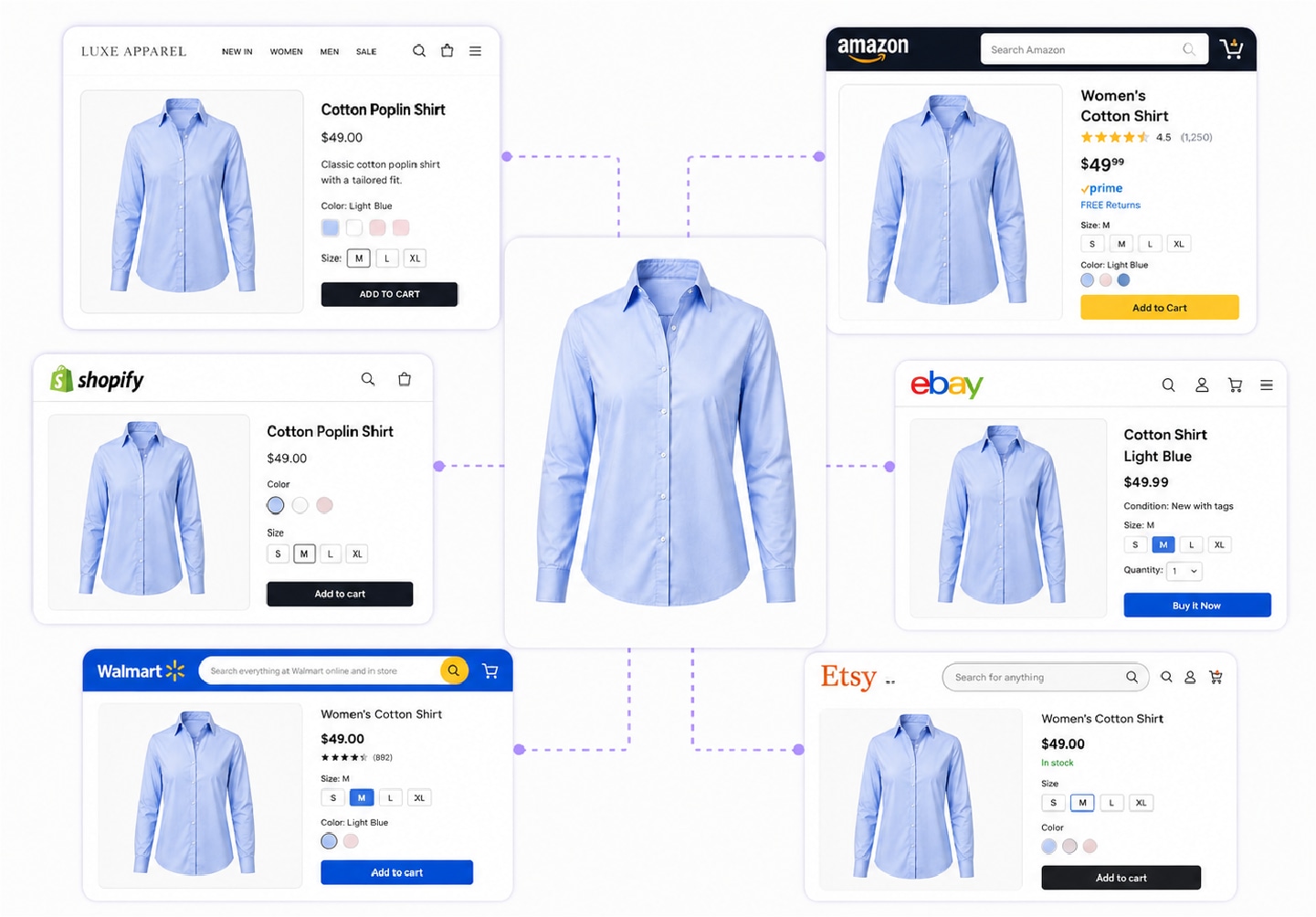
- Reduces photography costs compared with organising regular model shoots for every product.
For retailers managing large clothing catalogues, the ghost mannequin effect provides an efficient way to produce professional product images while maintaining a consistent visual identity across every collection.
When Should You Use the Ghost Mannequin Effect?
The ghost mannequin effect is most effective when customers need to understand how a garment fits, hangs and holds its shape. By presenting clothing in a realistic three-dimensional form, it gives shoppers far more information than a flat product image while keeping the focus entirely on the garment.
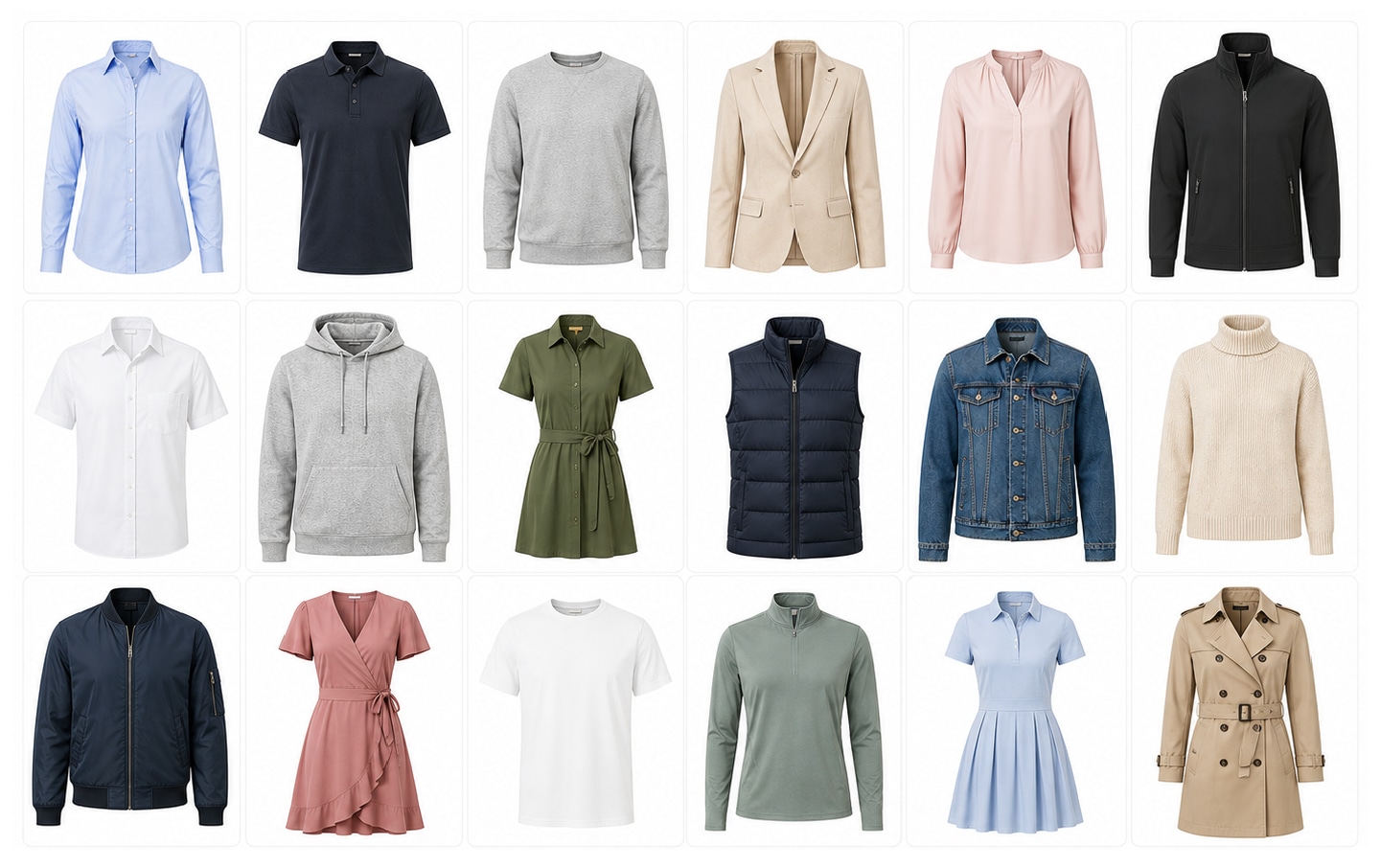
It’s particularly effective for garments where shape, structure and fit influence purchasing decisions, including:
- Shirts and blouses
- Jackets and coats
- Dresses
- Knitwear
- Hoodies and sweatshirts
- Sportswear
- Tailored garments
- Premium fashion collections
The ghost mannequin effect helps communicate those details more clearly than flat photography, making it easier for customers to visualise how the garment will look when worn.
For softer items such as scarves, accessories or baby clothing, other photography styles like flat lay or model photography may be equally effective depending on the product and the brand’s visual style.
Ghost Mannequin Effect vs Other Product Photography Styles
The ghost mannequin effect is just one of several techniques used in apparel ecommerce. Each style has its own strengths, and many successful fashion brands combine different approaches throughout their catalogue.
| Photography Style | Best For |
| Ghost Mannequin Effect | Ecommerce product pages, structured garments, consistent catalogues |
| Flat Lay Photography | Lifestyle content, accessories, social media and editorial campaigns |
| Model Photography | Hero images, advertising campaigns and fashion lookbooks |
Rather than relying on a single photography style, many retailers use ghost mannequin images for their product listings while combining them with model photography and flat lays across marketing campaigns, email content and social media.
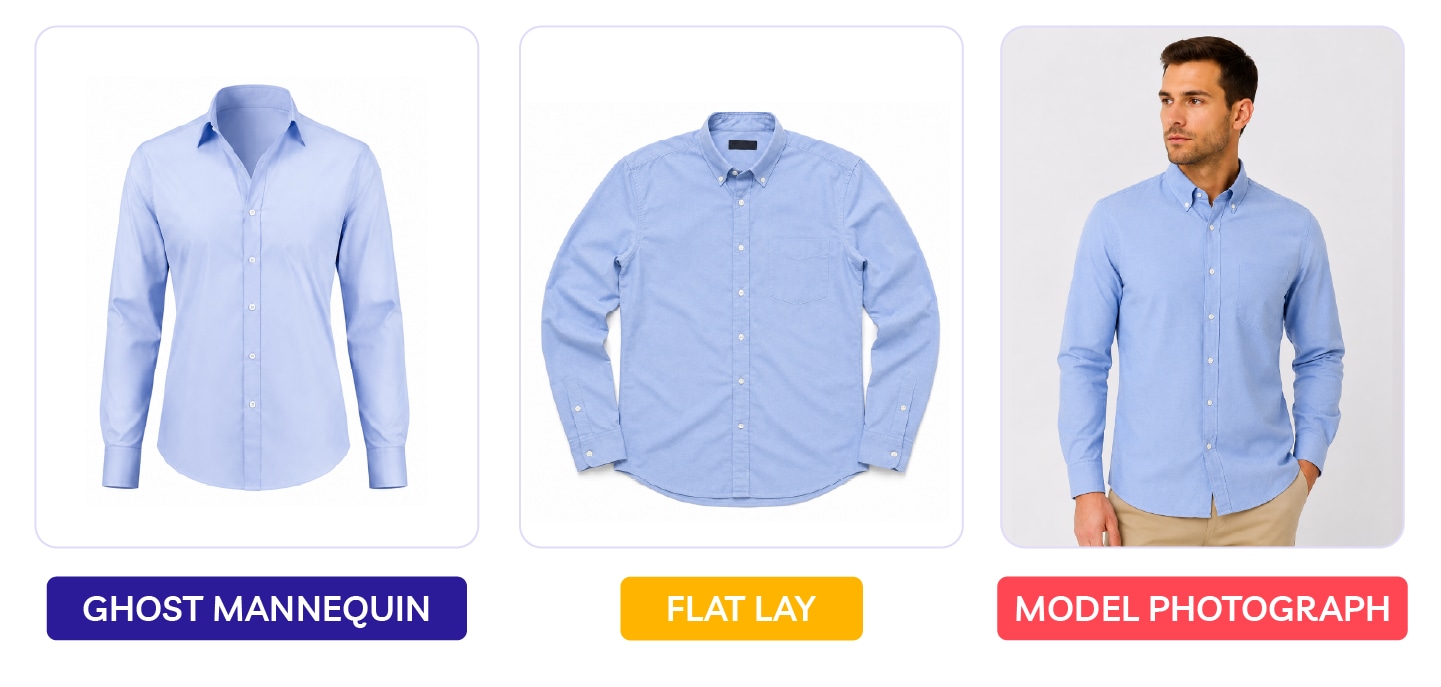
This allows them to present clothing consistently while giving customers multiple ways to experience the product.
Common Misconceptions About the Ghost Mannequin Effect
Because the finished image looks so clean and simple, it’s easy to assume the ghost mannequin effect is created with a single click. In reality, producing a professional result requires careful planning, photography and skilled editing.
Some of the most common misconceptions include:
- “It’s just background removal.”
Removing the mannequin is only one part of the process. Hidden areas such as the inside collar or back neckline must also be reconstructed to create a seamless result. - “Any mannequin will work.”
The type of mannequin, garment positioning and photography setup all influence the quality of the final image. - “AI can create the same result automatically.”
While AI tools continue to improve, they often struggle to recreate hidden garment areas accurately or maintain consistency across large clothing catalogues. - “Every garment needs the ghost mannequin effect.”
While it’s ideal for many apparel products, some items are better suited to flat lay or model photography depending on their design and intended use.
Understanding these differences helps businesses choose the right photography technique for each product while avoiding common editing mistakes.
Is the Ghost Mannequin Effect Right for Your Business?
If you’re selling clothing online, the ghost mannequin effect is one of the most effective ways to present your products professionally while keeping the focus entirely on the garment. It combines the realism of three-dimensional photography with the clean, distraction-free presentation that today’s ecommerce customers expect.
While it isn’t the only product photography technique available, it has become the industry standard for many apparel retailers because it showcases fit, structure and construction in a way that’s both consistent and scalable.
Whether you’re launching a new fashion brand or managing thousands of SKUs, investing in high-quality ghost mannequin editing helps create a stronger catalogue, a more consistent brand identity and a better shopping experience for your customers.
Wish you could just hand this over to a pro? Surprise, you can.

Frequently Asked Questions
What is the ghost mannequin effect?
The ghost mannequin effect is a photo editing technique that removes a mannequin from clothing product photos while preserving the garment’s natural shape. The finished image makes the clothing appear as though it is being worn by an invisible person, allowing customers to focus entirely on the product.
Is the ghost mannequin effect the same as invisible mannequin effect?
Yes. The terms ghost mannequin effect, invisible mannequin effect, ghost mannequin photography and invisible mannequin photography are often used interchangeably. All describe the same technique of photographing clothing on a mannequin before digitally removing it during editing.
What types of clothing work best with the ghost mannequin effect?
The technique works particularly well for garments where shape and structure are important, including shirts, jackets, dresses, blazers, knitwear, hoodies and sportswear. These products benefit from being shown in a natural three-dimensional form.
Can the ghost mannequin effect be created in Photoshop?
Yes, but creating a convincing result involves much more than simply removing the mannequin. Professional editors combine multiple photographs, reconstruct hidden areas such as collars and necklines, and carefully retouch the final image to ensure it looks seamless and realistic.
Why do fashion brands use the ghost mannequin effect?
Fashion brands use the ghost mannequin effect because it presents clothing consistently while keeping the focus on the garment rather than a model or mannequin. It helps customers understand the fit and construction of the product while creating a clean, professional look across an entire ecommerce catalogue.