Ghost Mannequin vs Flat Lay Photography: Which Sells Clothing Better?
Ghost mannequin photography and flat lay photography each have their place in ecommerce. Discover the advantages, disadvantages and best use cases for each approach to help you choose the right style for your clothing brand.

By
In this article
- Ghost Mannequin vs Flat Lay Photography: At a Glance
- What Is Ghost Mannequin Photography?
- What Is Flat Lay Photography?
- Which Sells Clothing Better?
- When to Choose Ghost Mannequin Photography
- When Flat Lay Photography Works Best
- The Best Approach? Use Each Technique Where It Works Best
- So, Which Photography Style Should You Choose?
When customers shop for clothing online, they can’t touch the fabric, feel the quality or try garments on. Their buying decision is influenced largely by the product images in front of them.
That’s why choosing the right photography style is so important.

Two of the most popular approaches in fashion ecommerce are ghost mannequin photography and flat lay photography. Both showcase clothing effectively, but they create very different customer experiences.
So which one actually sells clothing better?
The answer isn’t as simple as choosing one over the other. Each technique has its own strengths, and the best option depends on the type of clothing you’re selling, your brand positioning and where the images will be used.
Industry comparisons consistently conclude that ghost mannequin photography generally performs best for structured apparel and ecommerce product pages, while flat lays remain an effective option for simpler garments, accessories and creative merchandising.
In this guide, we’ll compare both approaches, explain when each works best and help you decide which photography style is right for your business.
Ghost Mannequin vs Flat Lay Photography: At a Glance
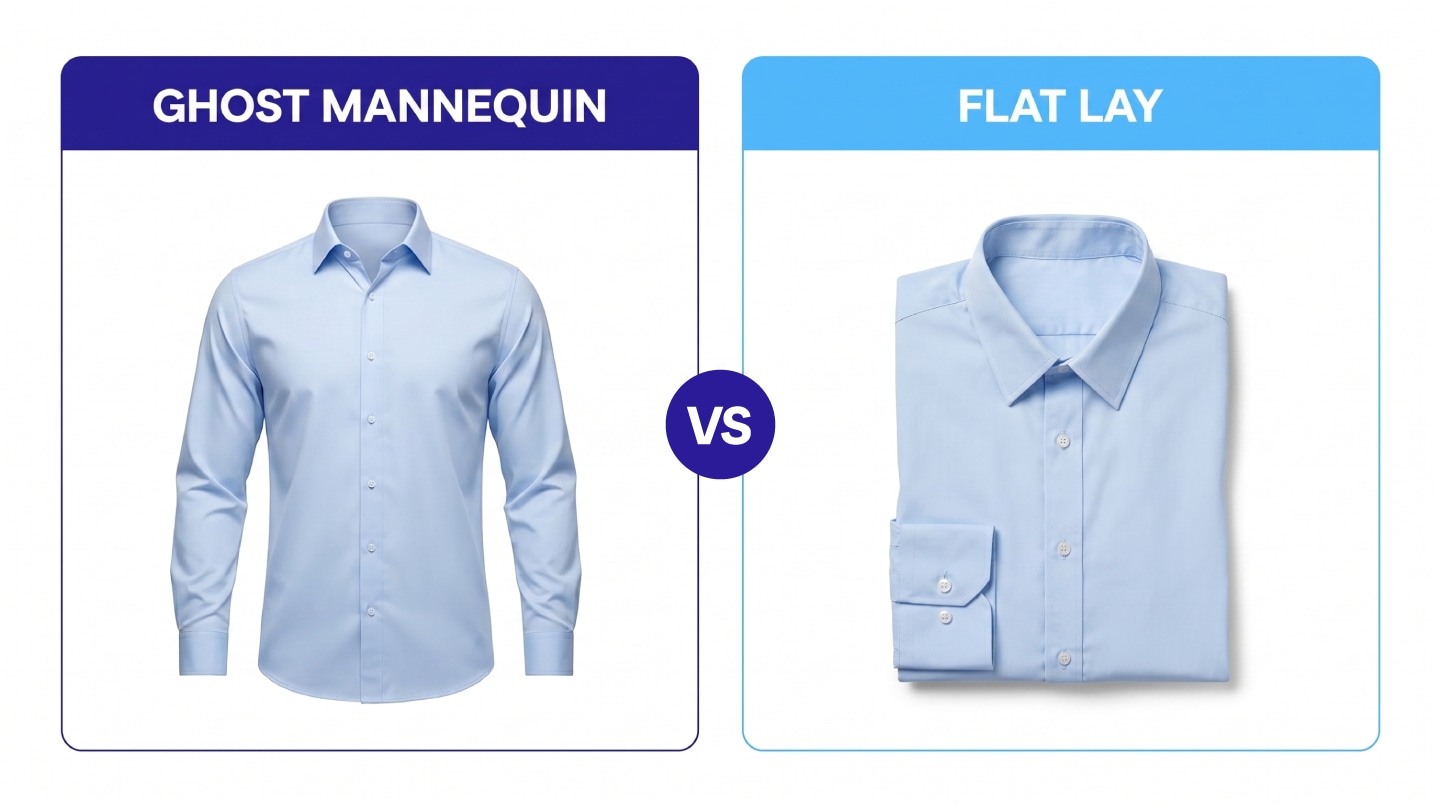
While both techniques are widely used in fashion ecommerce, they serve different purposes. Ghost mannequin photography is designed to showcase the shape, fit and structure of a garment, whereas flat lay photography presents clothing in a simple, styled overhead arrangement.
| Comparison | Ghost Mannequin Photography | Flat Lay Photography |
| Shows garment shape and fit | ✓ Excellent | △ Limited |
| Creates a 3D appearance | ✓ Yes | ✗ No |
| Highlights garment construction | ✓ Excellent | △ Good |
| Best for structured clothing | ✓ Yes | △ Less suitable |
| Suitable for accessories | △ Sometimes | ✓ Excellent |
| Styling flexibility | △ Moderate | ✓ High |
| Production cost | Medium | Low |
| Editing required | Higher | Lower |
| Best use | Ecommerce product pages | Social media, lookbooks, creative merchandising |
What Is Ghost Mannequin Photography?
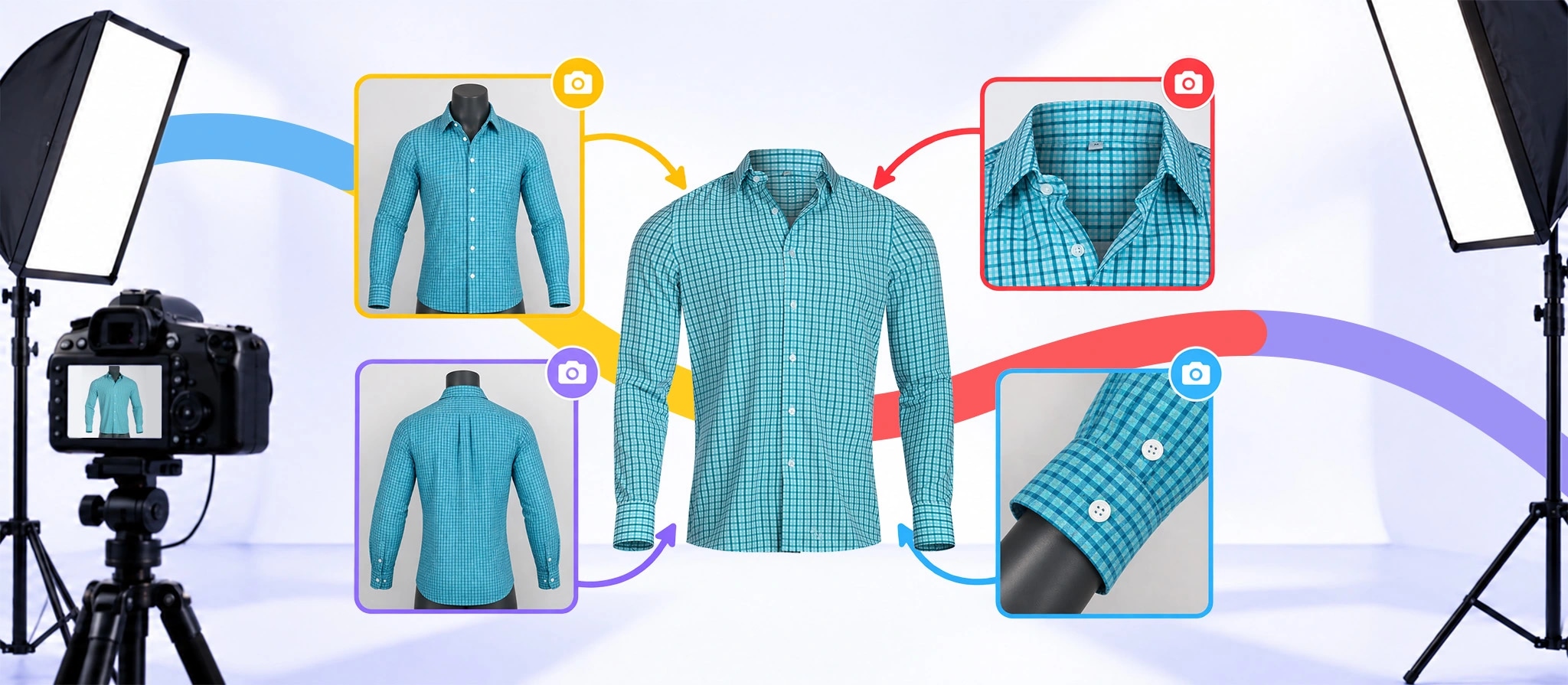
Ghost mannequin photography (also known as invisible mannequin photography) is a technique where clothing is photographed on a mannequin before the mannequin is digitally removed during post-production. The result is a three-dimensional product image that shows how the garment fits and hangs, without distracting the customer with a visible model or mannequin.
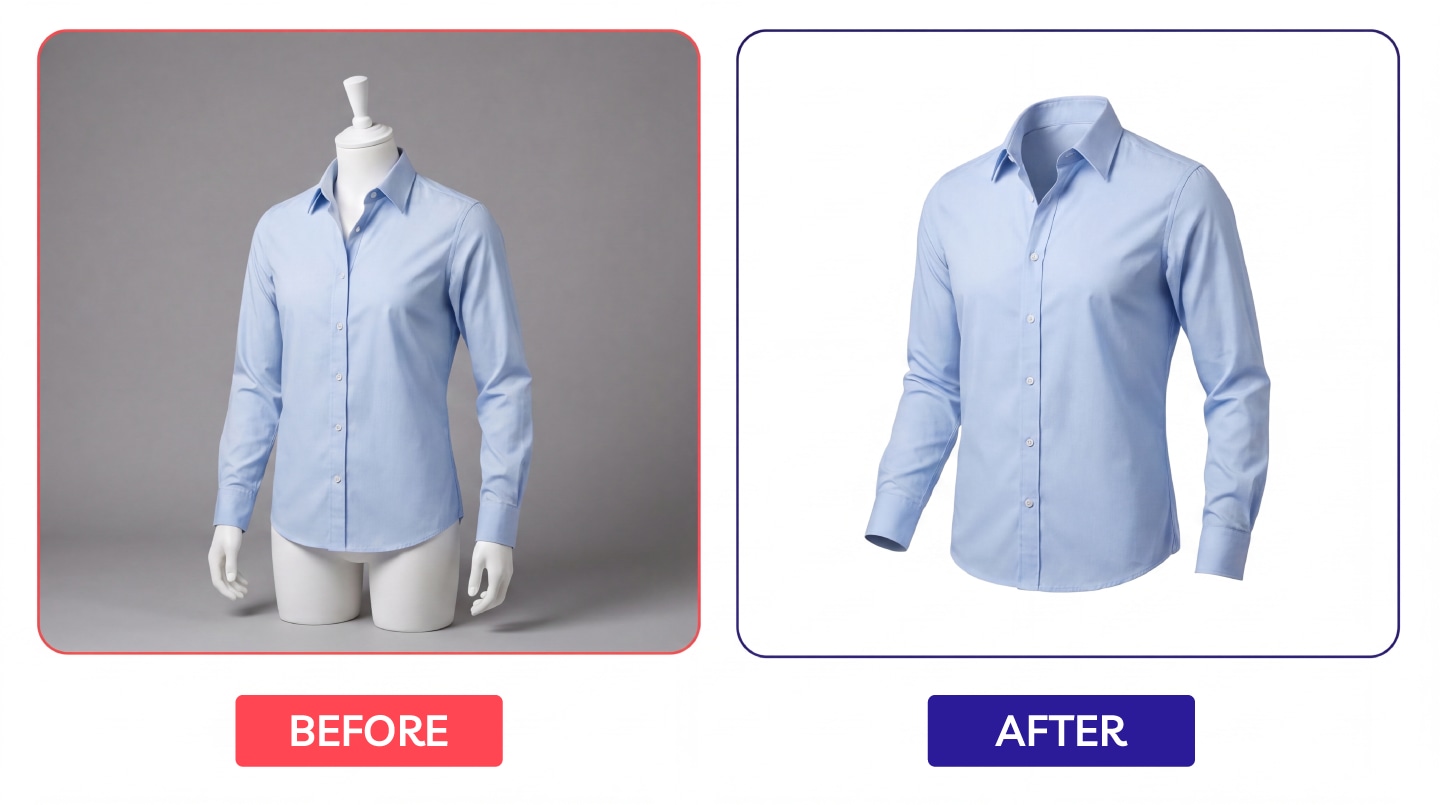
Because customers can clearly see details such as the collar, sleeves, shoulders and overall silhouette, ghost mannequin photography has become the preferred choice for many fashion retailers selling shirts, jackets, dresses, knitwear and other structured garments.
What Is Flat Lay Photography?
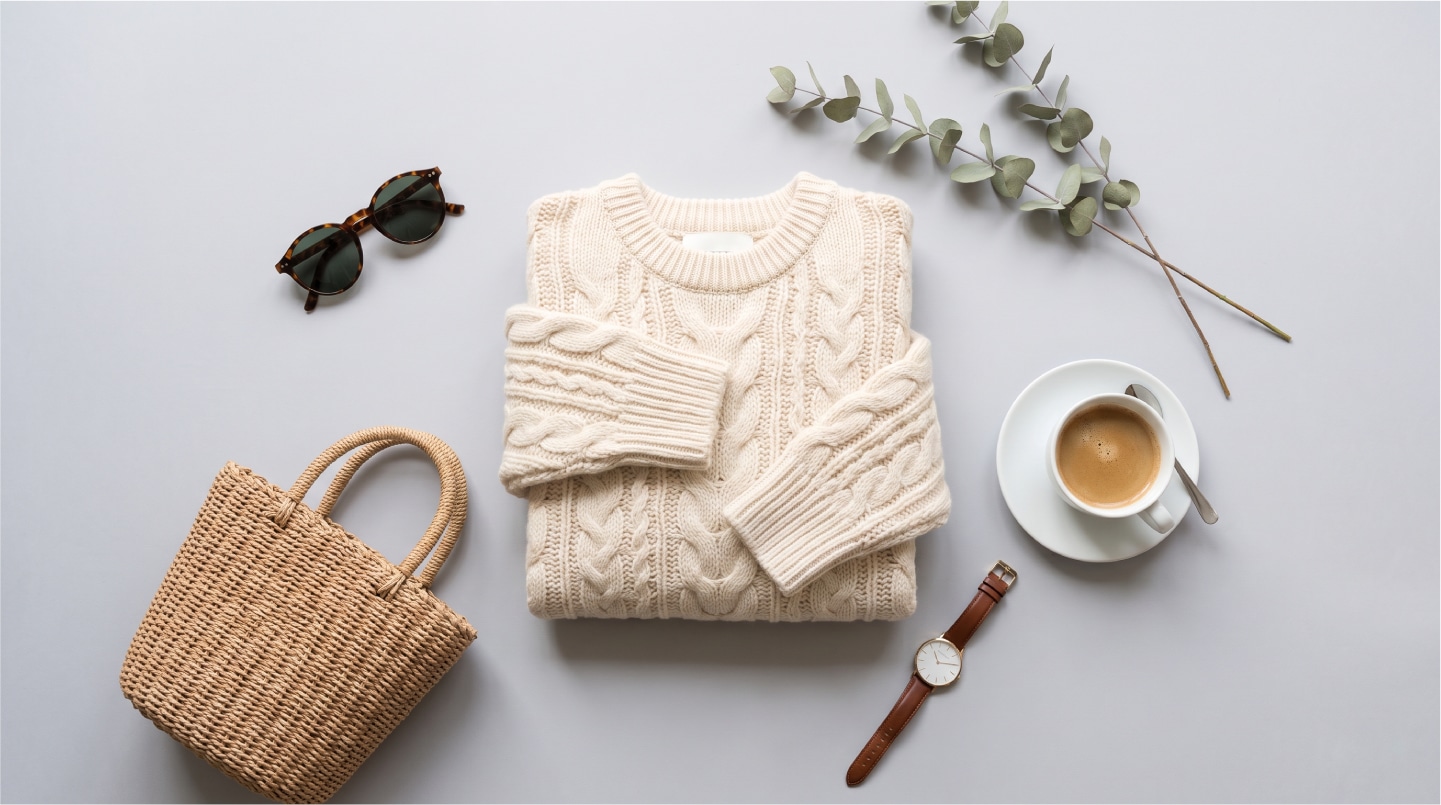
Flat lay photography involves arranging clothing on a flat surface and photographing it from directly above. Instead of showing the garment as it would appear when worn, the focus is on presenting the product neatly while highlighting colour, texture and styling.
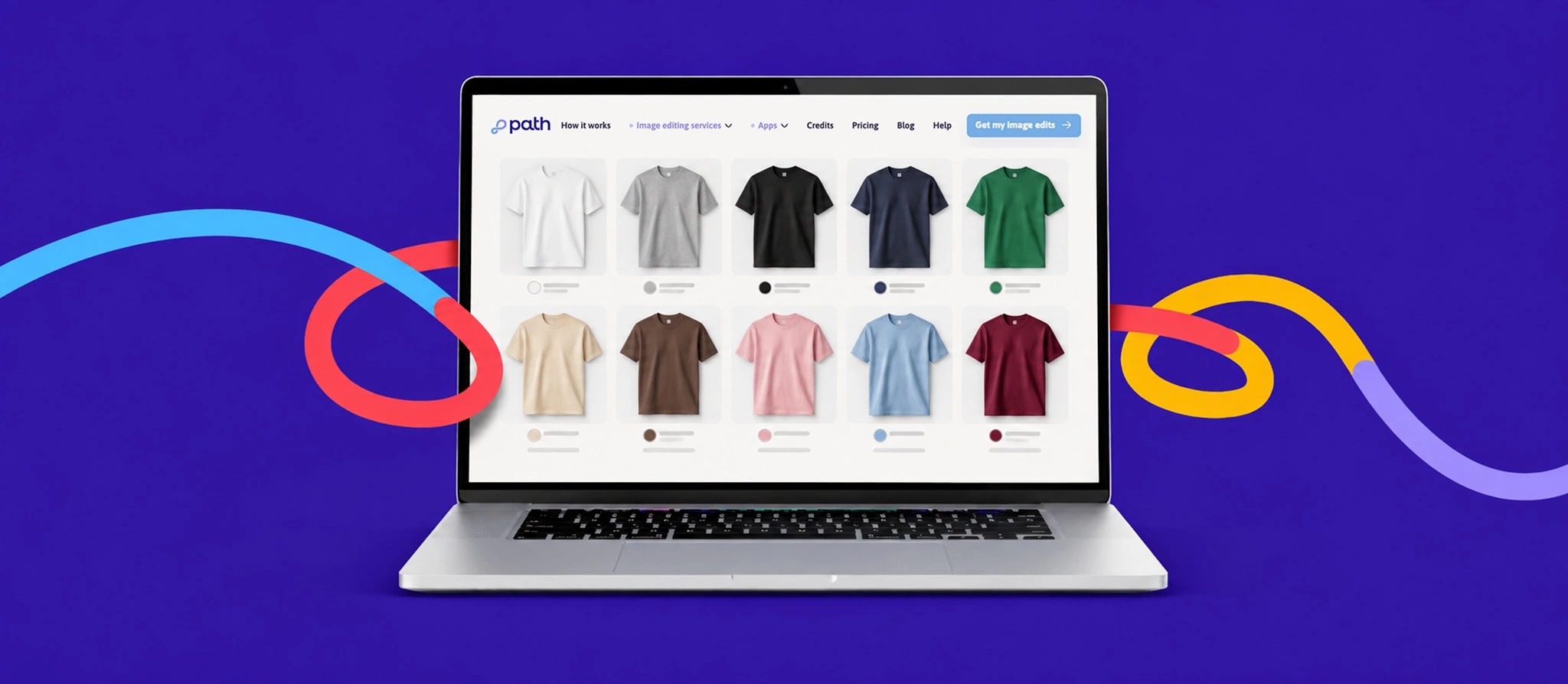
Flat lay photography is relatively quick to produce, inexpensive and highly versatile. They’re commonly used for T-shirts, baby clothing, accessories, activewear, lifestyle content and social media, where a more editorial or creative presentation is often preferred.
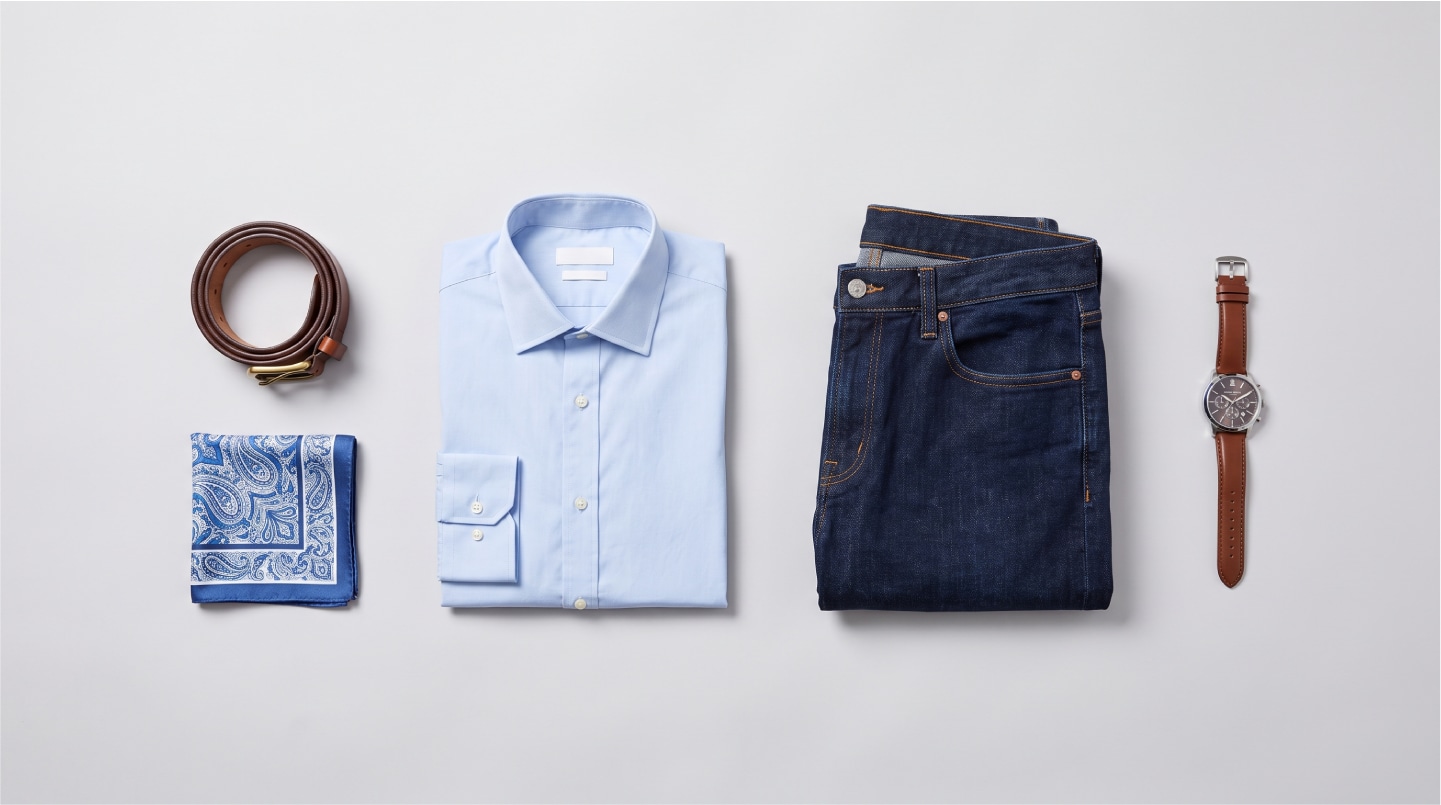
However, because garments are photographed flat, customers don’t always get a clear sense of the product’s shape or how it will look when worn, particularly with tailored or structured clothing.
Which Sells Clothing Better?
The truth is that neither technique is universally better. The right choice depends on the type of clothing you’re selling, your brand identity and the purpose of the image.
If your goal is to help customers understand the fit, structure and construction of a garment, ghost mannequin photography is usually the stronger option. By showing clothing in a natural three-dimensional shape, it gives shoppers a clearer idea of how the garment will look when worn without the distraction of a visible model. This makes it particularly effective for ecommerce product pages featuring shirts, jackets, dresses, coats and tailored garments.
Flat lay photography, on the other hand, excels when the emphasis is on styling rather than structure. It works well for casual clothing, children’s wear, accessories and lifestyle content where the overall composition is just as important as the individual product. Flat lays are also quicker and less expensive to produce, making them a practical option for social media, lookbooks and seasonal campaigns.
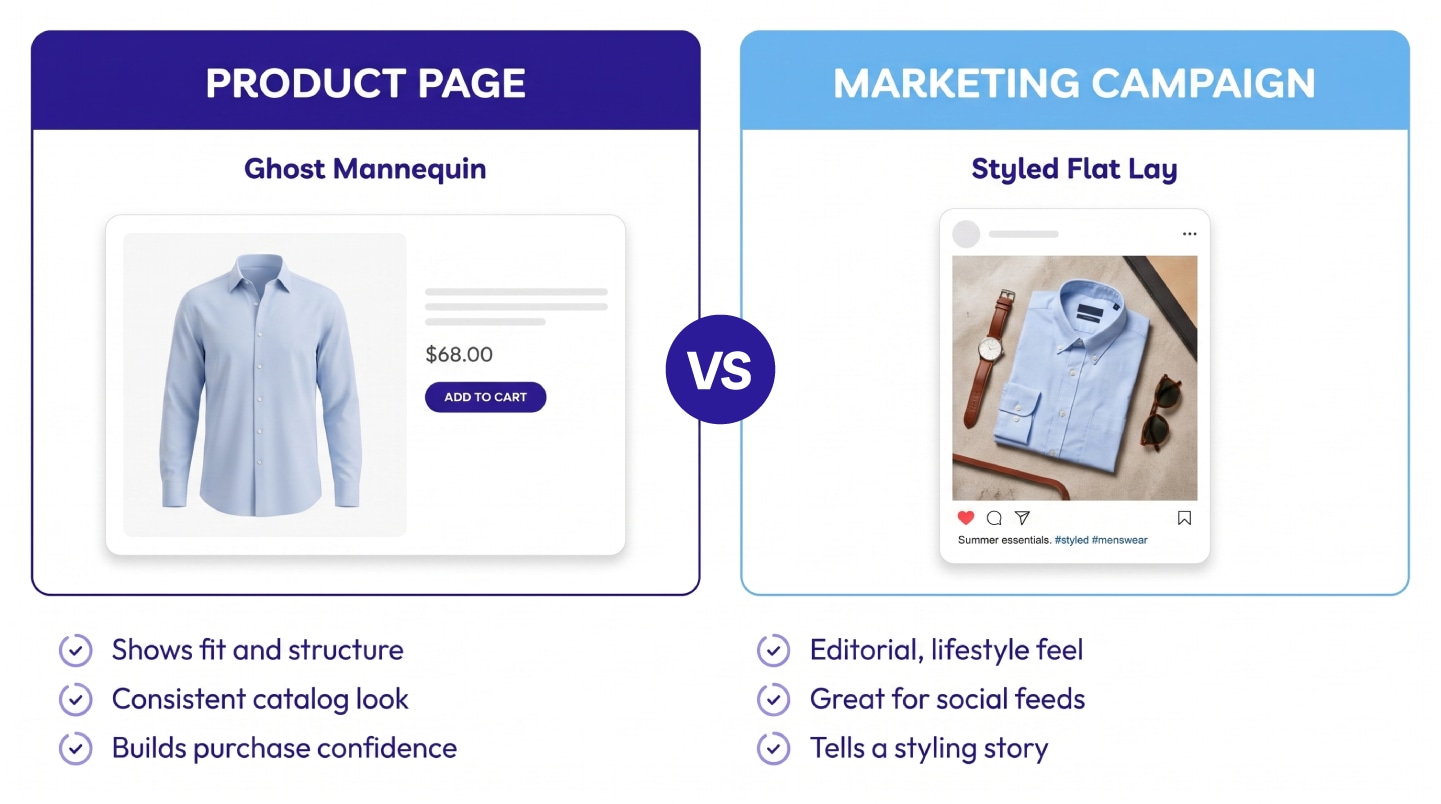
Many successful fashion retailers don’t choose one technique over the other. Instead, they use ghost mannequin photography for product pages, where customers need to evaluate fit and construction, and flat lay photography for marketing content, where storytelling and styling play a bigger role.
When to Choose Ghost Mannequin Photography
Ghost mannequin photography is often the preferred choice for ecommerce apparel retailers where garment shape, fit and construction influence purchasing decisions.
It’s particularly well suited to:
- Shirts and blouses
- Jackets and coats
- Dresses
- Knitwear
- Blazers
- Hoodies and sweatshirts
- Sportswear
- Premium fashion collections
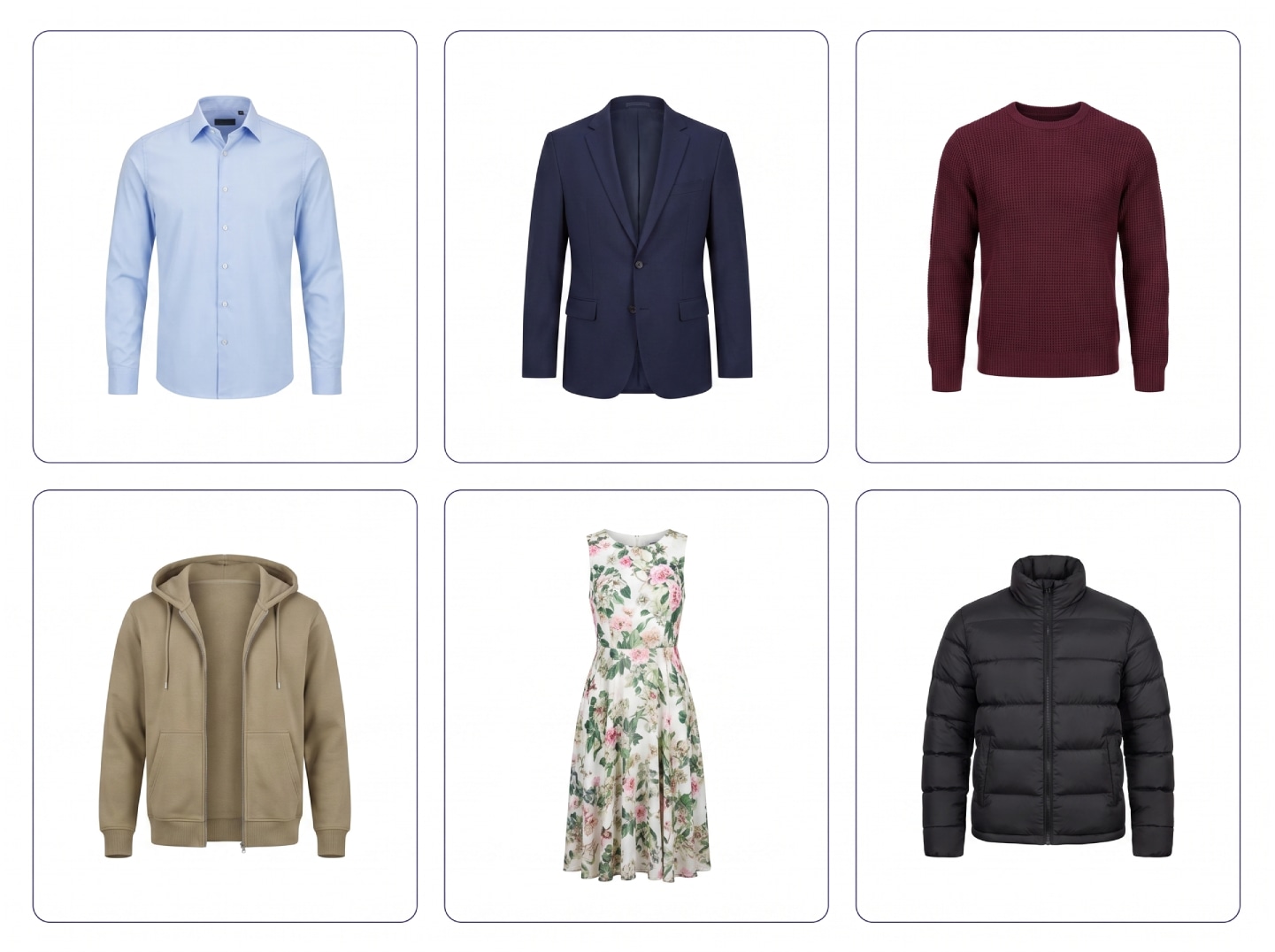
Because the garment is photographed on a mannequin before the mannequin is removed during editing, customers can clearly see features such as the collar, sleeves, shoulders and overall silhouette. This helps products look more realistic while keeping the focus entirely on the clothing.
When Flat Lay Photography Works Best
Flat lay photography remains a valuable technique, particularly for brands looking to create a relaxed, editorial style or work within tighter budgets.
It’s especially effective for:
- T-shirts
- Baby clothing
- Activewear
- Accessories
- Scarves and hats
- Jewellery
- Lifestyle collections
- Social media content
Because products are photographed from above on a flat surface, flat lays are quick to produce and allow brands to incorporate props, colours and styling elements that reinforce their visual identity. However, they generally provide less information about how a garment fits or drapes than ghost mannequin photography.
How Leading Fashion Brands Use Both Techniques
One of the biggest misconceptions is that successful fashion brands choose either ghost mannequin photography or flat lay photography.
In reality, most use both, selecting the style that best suits the garment and the customer’s stage in the buying journey.
ASOS
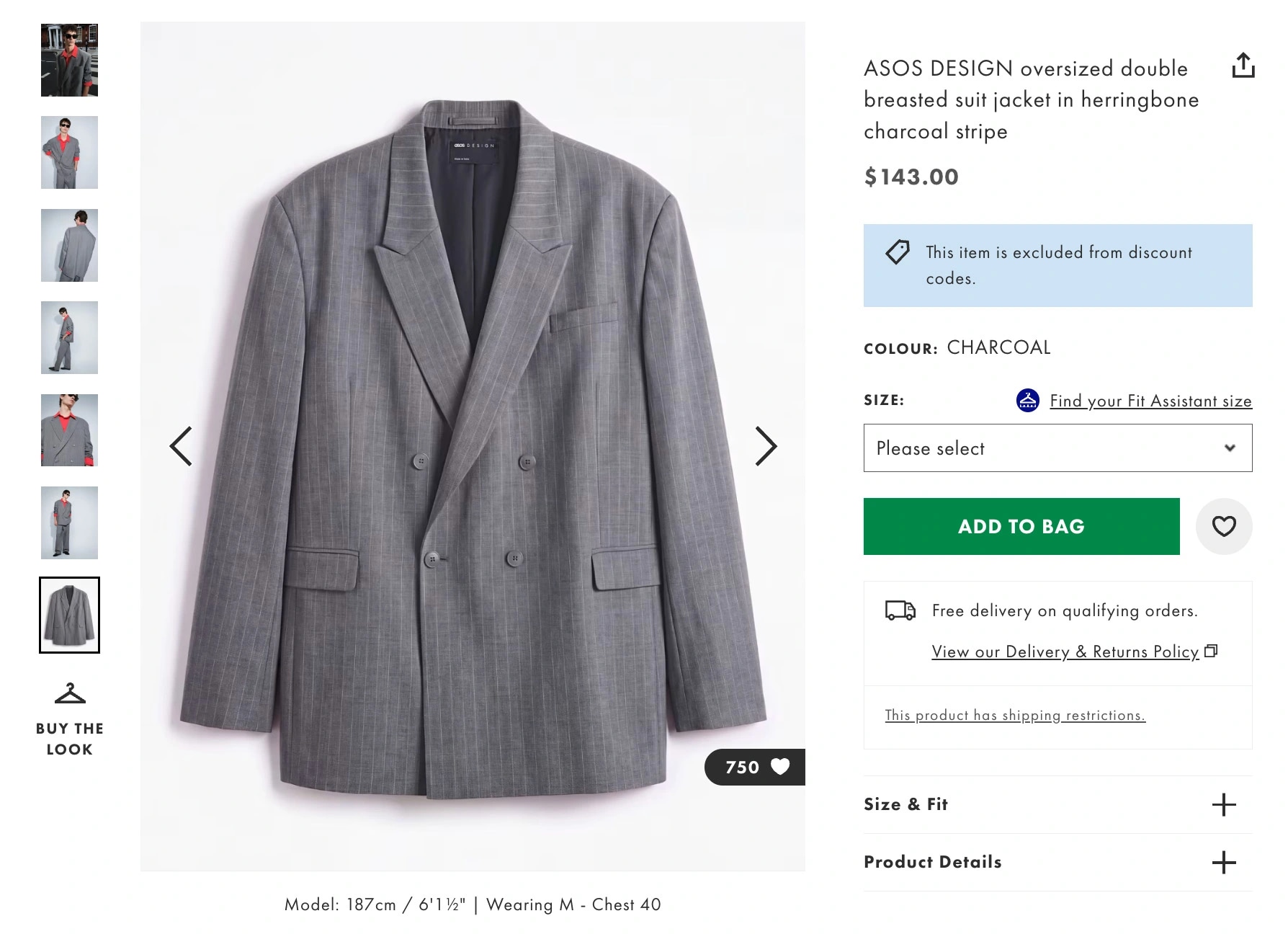
ASOS uses a combination of ghost mannequin photography, model photography and video across its product pages. Ghost mannequin images provide shoppers with a clear view of a garment’s construction and shape, while model photography helps customers visualise fit and styling. This layered approach gives customers the detailed product information they need before making a purchase.
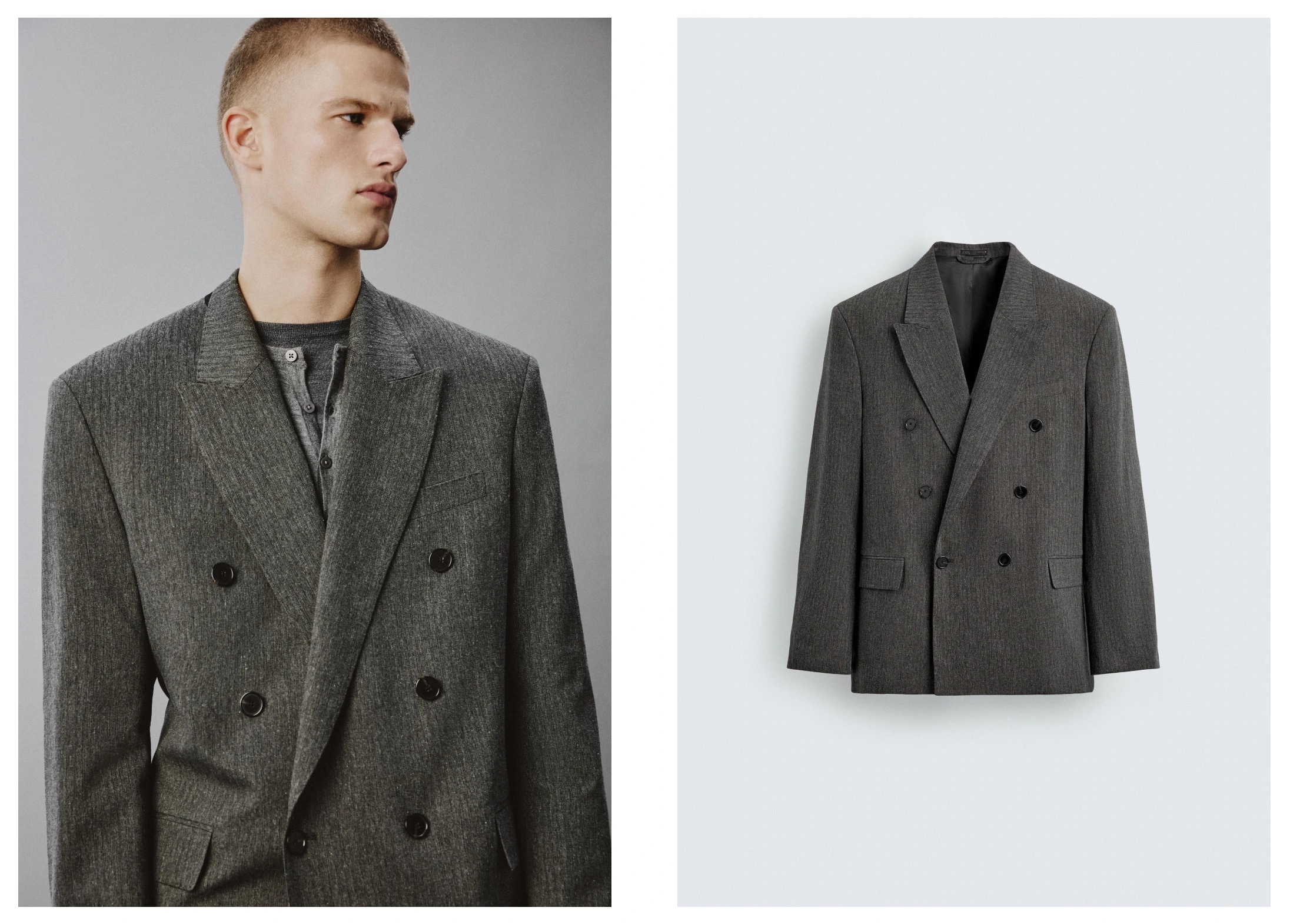
Zara
Zara follows a similar strategy. Hero images typically feature garments on models, but supporting product photography frequently includes product-only imagery, including ghost mannequin or carefully styled flat lay photography, to highlight details such as collars, sleeves and construction. By combining different photography styles, Zara creates a premium shopping experience while keeping the focus on the clothing itself.
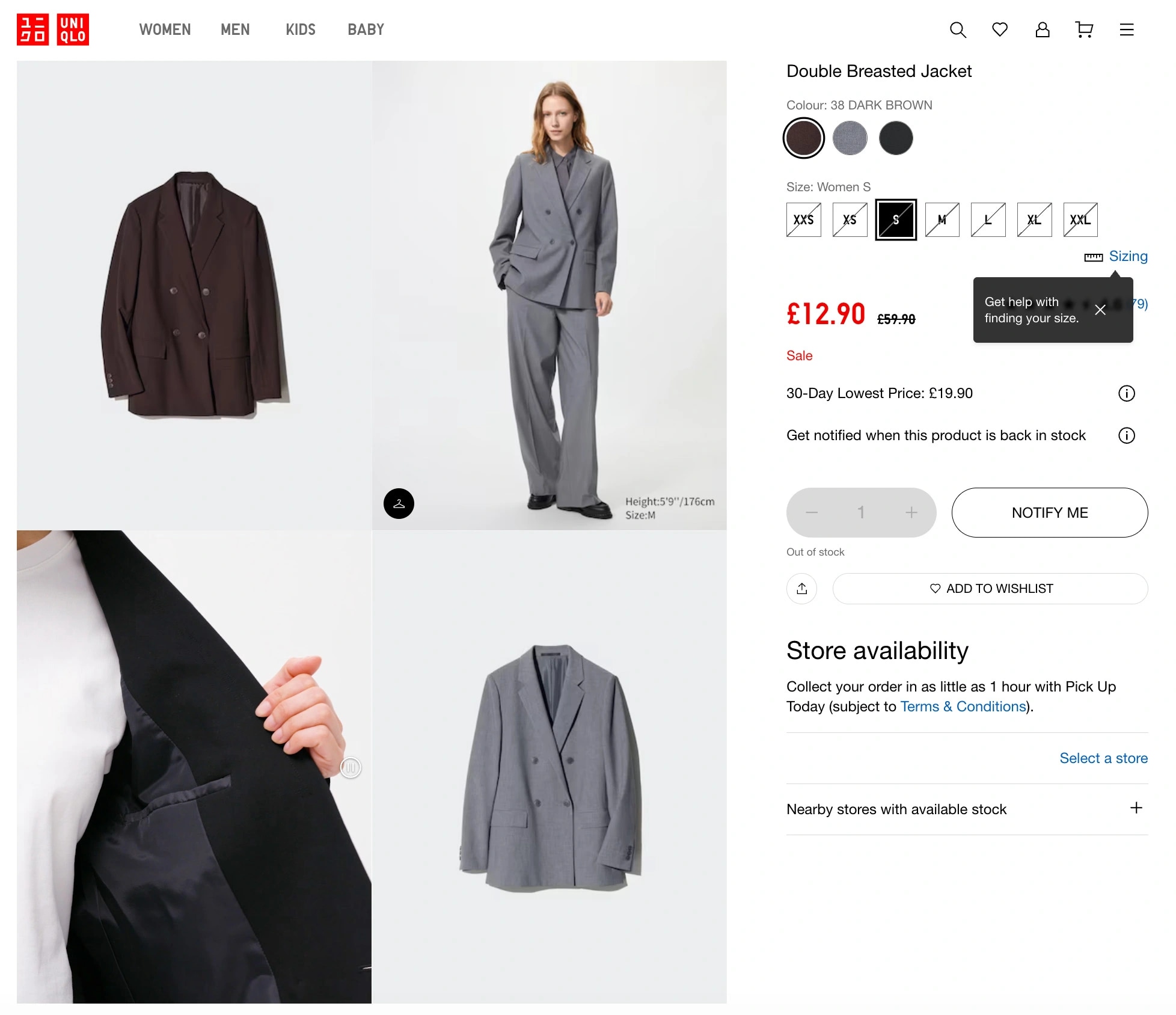
Uniqlo
Uniqlo is known for its clean, functional ecommerce design. Across its catalogue, ghost mannequin photography is used extensively to present garments consistently and accurately, helping customers compare products while clearly showing fit, silhouette and construction. The consistent photography style also reinforces the brand’s minimalist identity.
The Best Approach? Use Each Technique Where It Works Best
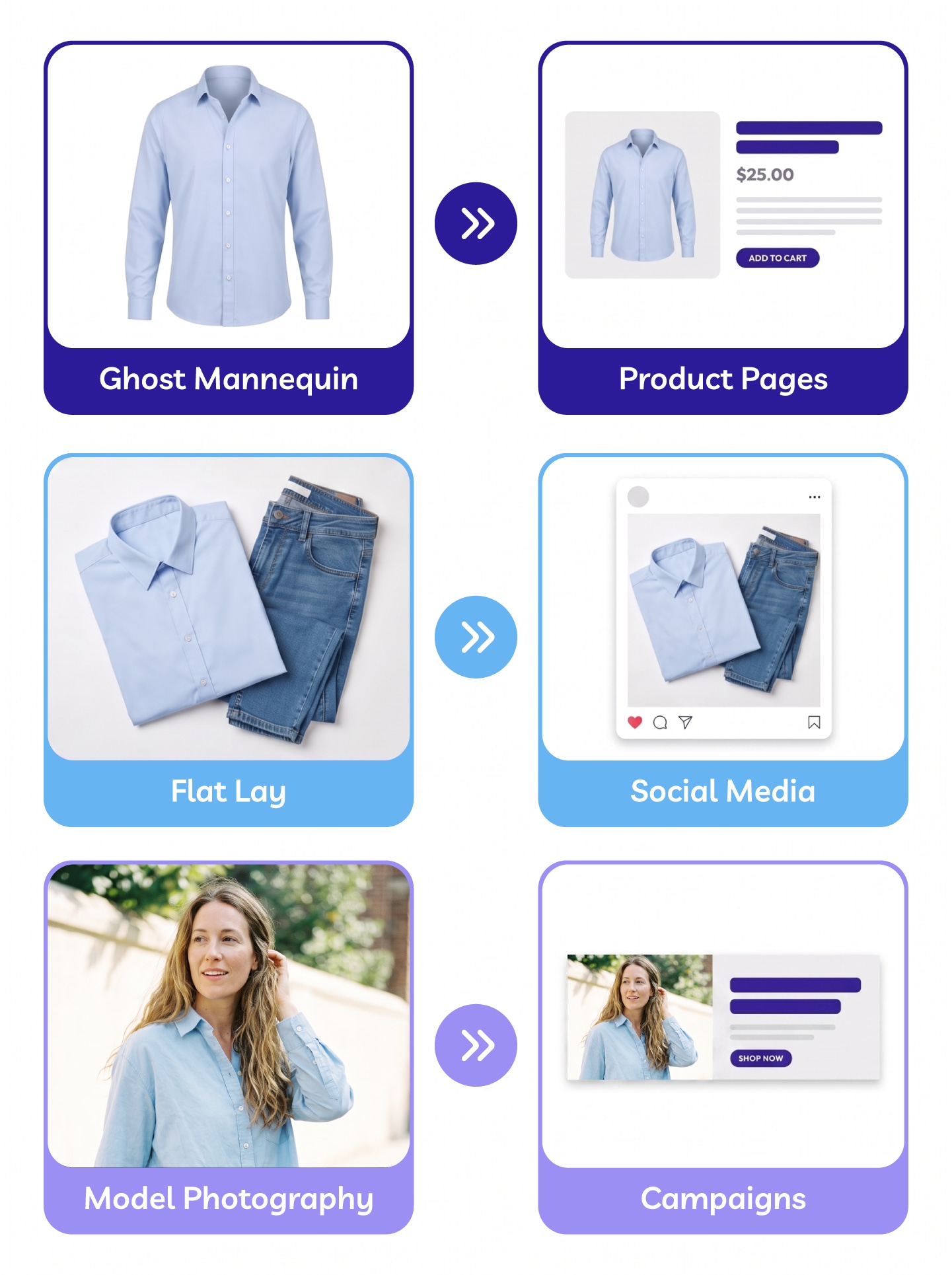
Rather than choosing one technique exclusively, many apparel brands combine different photography styles to achieve different objectives.
A typical workflow looks something like this:
| Photography Style | Best Used For |
| Ghost Mannequin Photography | Ecommerce product pages, category listings and marketplaces where customers need to evaluate shape, fit and construction. |
| Flat Lay Photography | Social media, lookbooks, email campaigns and editorial content where styling and storytelling are the priority. |
| Model Photography | Hero images, advertising campaigns and lifestyle content that helps customers imagine wearing the garment. |
This combination allows brands to showcase products from multiple perspectives while maintaining a consistent visual identity across every customer touchpoint.
So, Which Photography Style Should You Choose?
If your priority is creating professional ecommerce product pages that clearly show the fit, shape and construction of your garments, ghost mannequin photography is usually the better choice. It provides customers with a realistic view of the product while keeping the focus entirely on the clothing, making it particularly effective for shirts, jackets, dresses and other structured apparel.
Flat lay photography still has an important role to play. It’s ideal for social media, editorial campaigns, lookbooks and lifestyle content where creativity and styling take centre stage. Rather than replacing ghost mannequin photography, it works best as a complementary technique that helps tell your brand story.
For many fashion retailers, the most effective strategy is to use ghost mannequin photography for ecommerce product pages and flat lay photography for marketing content. This combination gives customers the detailed product imagery they need to make confident purchasing decisions while allowing your brand to create engaging visual content across other channels.
Whichever approach you choose, consistency is key. Using the same photography style, lighting and editing standards throughout your catalogue creates a more professional shopping experience and strengthens your brand identity.
Wish you could just hand this over to a pro? Surprise, you can.

Frequently Asked Questions
What is the difference between ghost mannequin photography and flat lay photography?
Ghost mannequin photography shows clothing on an invisible mannequin, creating a three-dimensional view that highlights the garment’s shape and fit. Flat lay photography arranges clothing on a flat surface and photographs it from above, producing a more styled, editorial look.
Is ghost mannequin photography better for ecommerce?
For most ecommerce clothing stores, yes. Ghost mannequin photography helps customers see the structure, fit and construction of a garment more clearly, making it particularly effective for product pages featuring shirts, jackets, dresses and other structured apparel.
When should I use flat lay photography?
Flat lay photography works best for social media, lookbooks, email campaigns and lifestyle content. It’s also a good choice for simpler garments, accessories and brands that want to create a more creative or editorial presentation.
Can I use both ghost mannequin and flat lay photography?
Absolutely. Many fashion retailers use ghost mannequin photography for their ecommerce catalogue while using flat lay photography for marketing materials and social media. Combining both techniques allows you to present products effectively across different channels.
Does ghost mannequin photography require professional editing?
Yes. Creating a convincing ghost mannequin image involves combining multiple photographs and removing the mannequin while reconstructing hidden areas such as the neckline or inner back of the garment. Professional editing ensures the finished image looks natural, realistic and consistent across your entire catalogue.