Why Ecommerce Images Sometimes Need Photography Masking, Not Just a Clipping Path
A practical guide to photography masking for ecommerce, including when a clipping path is not enough and why cleaner edges can make product images look more believable online.

By
A clean cutout is not always the same thing as a convincing ecommerce image.

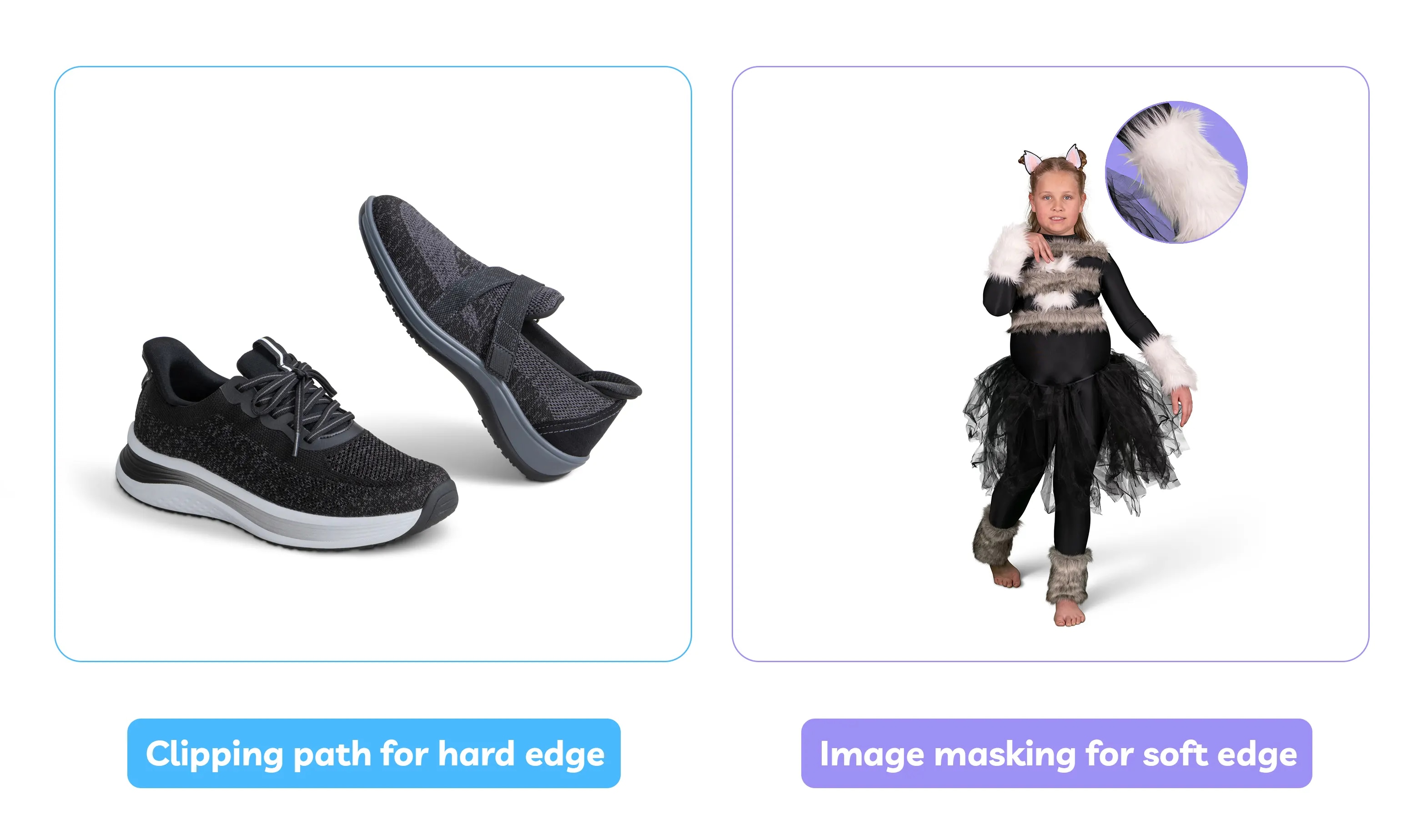
On some product photos, a clipping path does the job perfectly well. On others, the edge needs to hold onto more than just the outline. Sheer fabric still needs to look light. Faux fur still needs to feel soft. Hair around a model’s face still needs to look natural.
Once that softer detail is cut too hard, the product may be isolated, but the image can still lose some of what made it work. That is usually where image masking services make more sense than a clipping path.
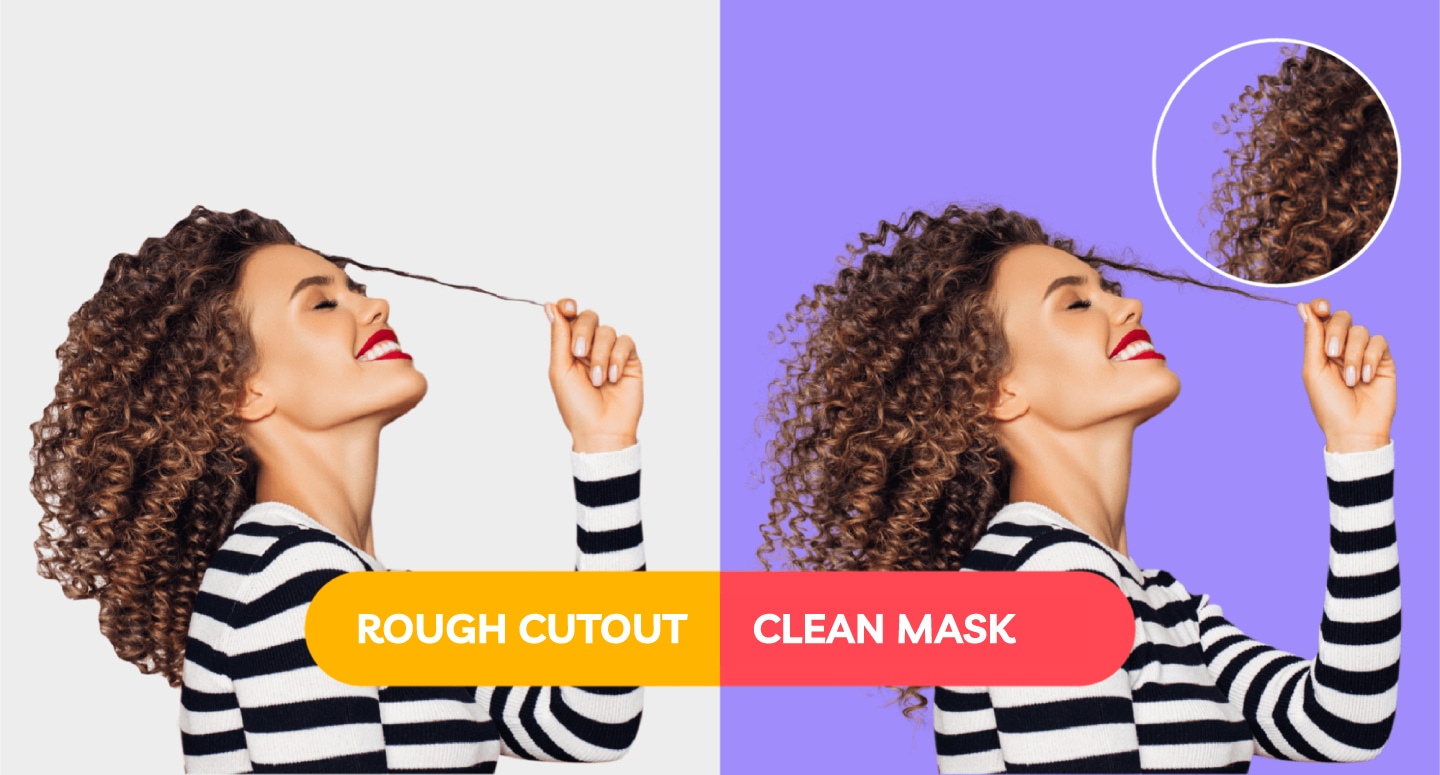
In ecommerce, the goal is not just to remove the background. It is to keep the image looking clean, natural, and ready to sell once it is sitting on a white background, inside a product grid, or under zoom.
Why This Comes Up So Often in Ecommerce
A lot of product images are easy enough to cut out. Bottles, boxes, cookware, electronics, and shoes usually have clean edges that suit a clipping path perfectly well.
The difficulty starts when the edge is part of the product experience.
That happens with things like sheer fabrics, lace panels, textured knitwear, faux fur, feathered trims, loose hair around beauty images, or any product shot where softness and transparency still need to come through after the background is gone. In those cases, a clean outline alone is not always enough.
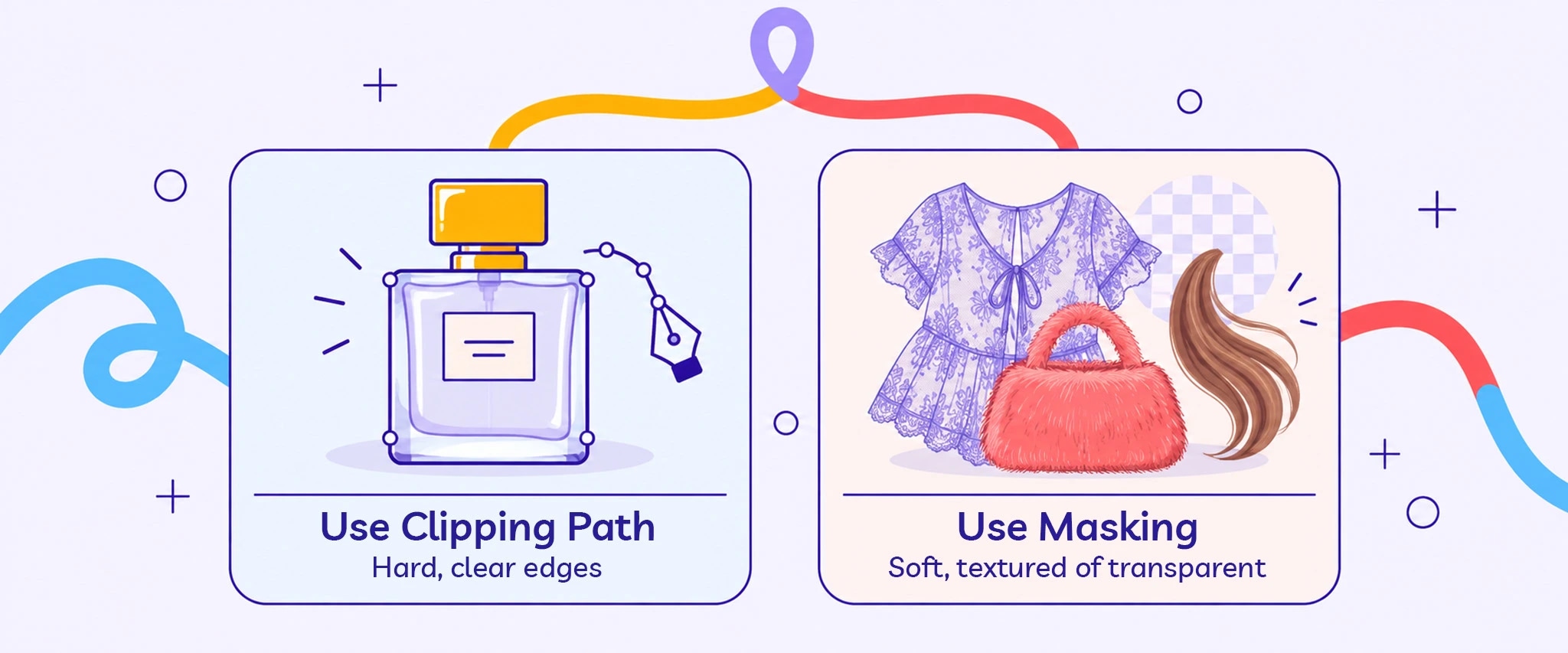
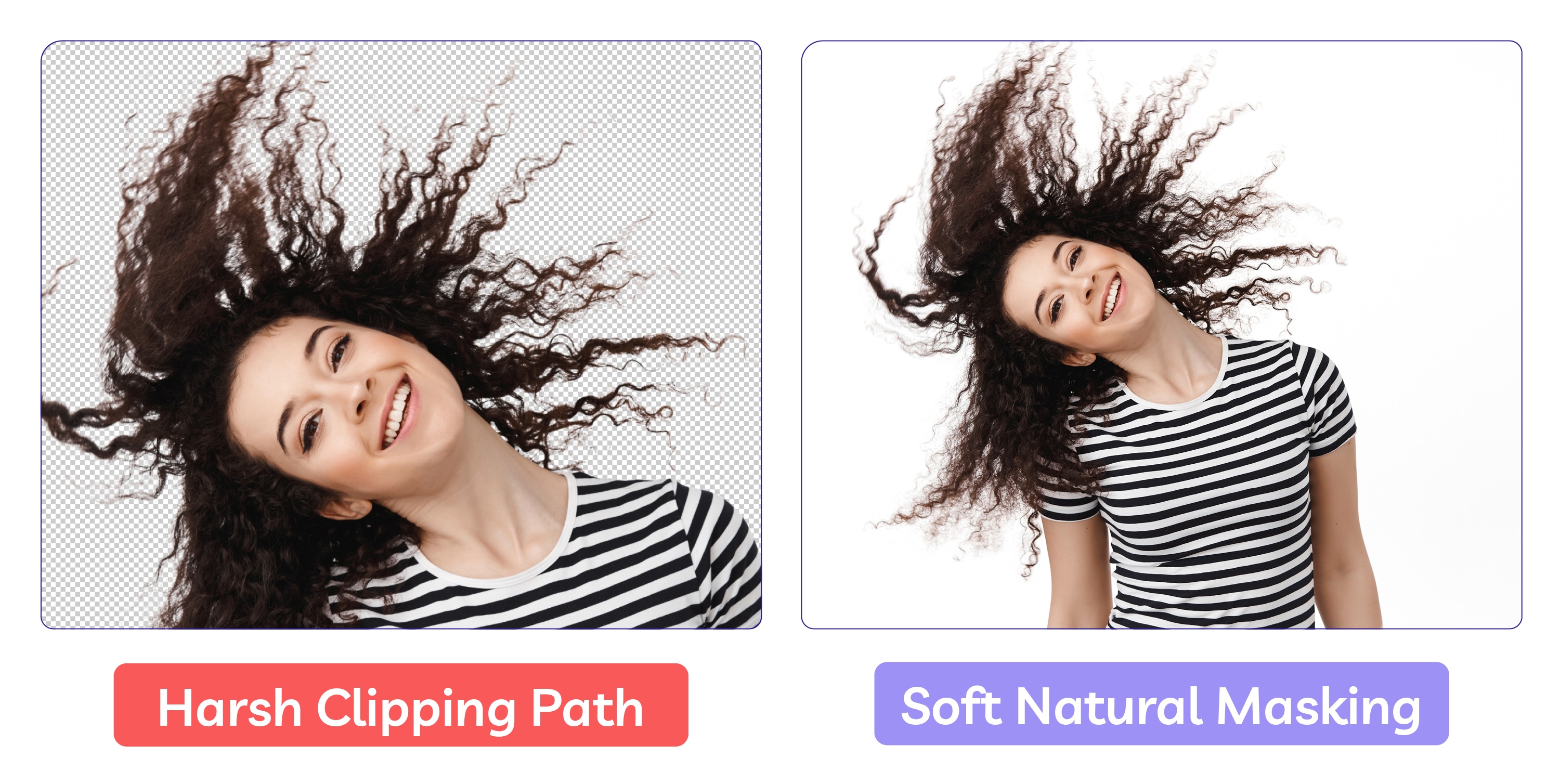
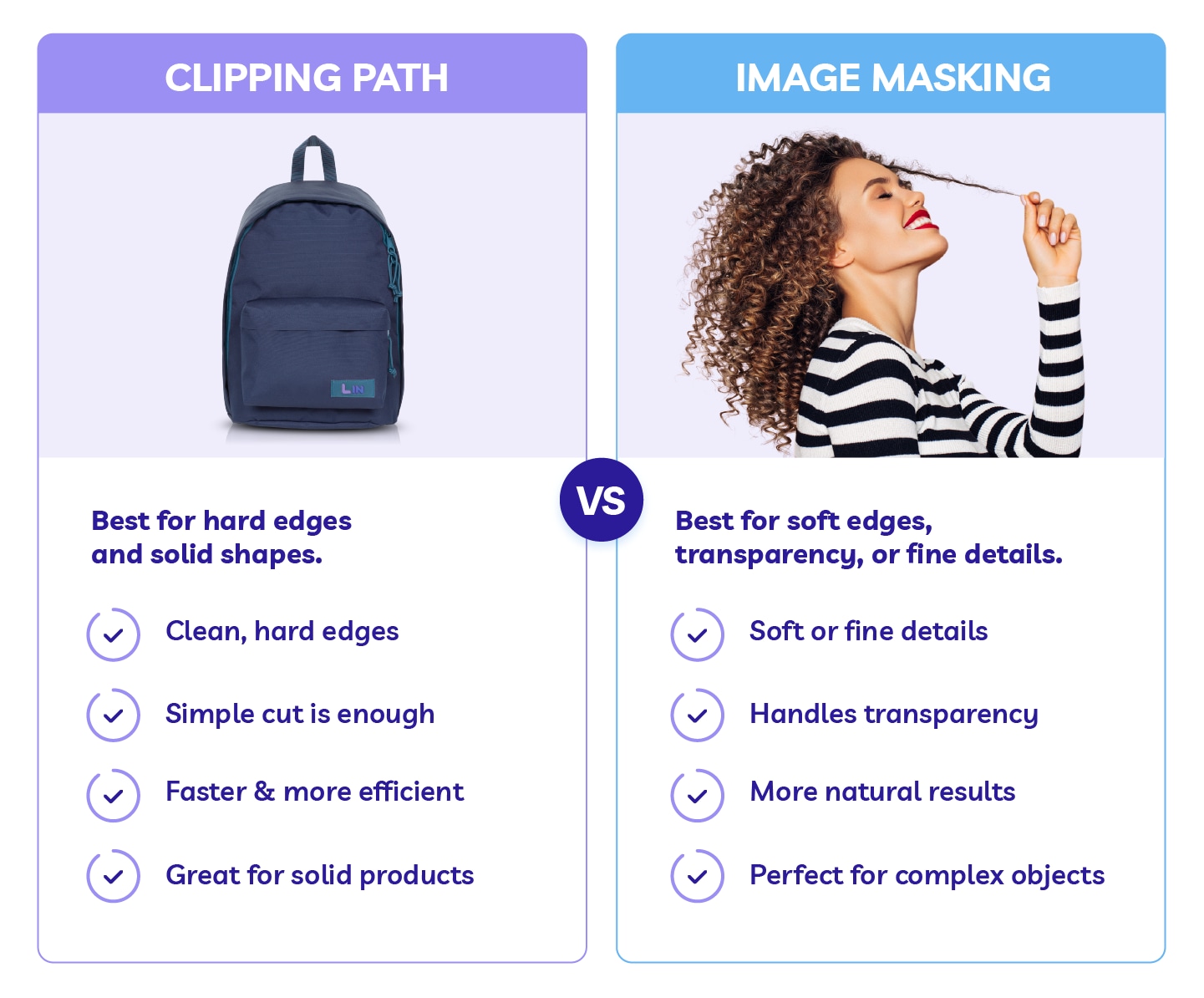
A clipping path is great when the edge behaves like one clear shape. Photography masking is more useful when the edge is softer, lighter, or more detailed than that.
Sheer and Textured Ecommerce Fashion Examples
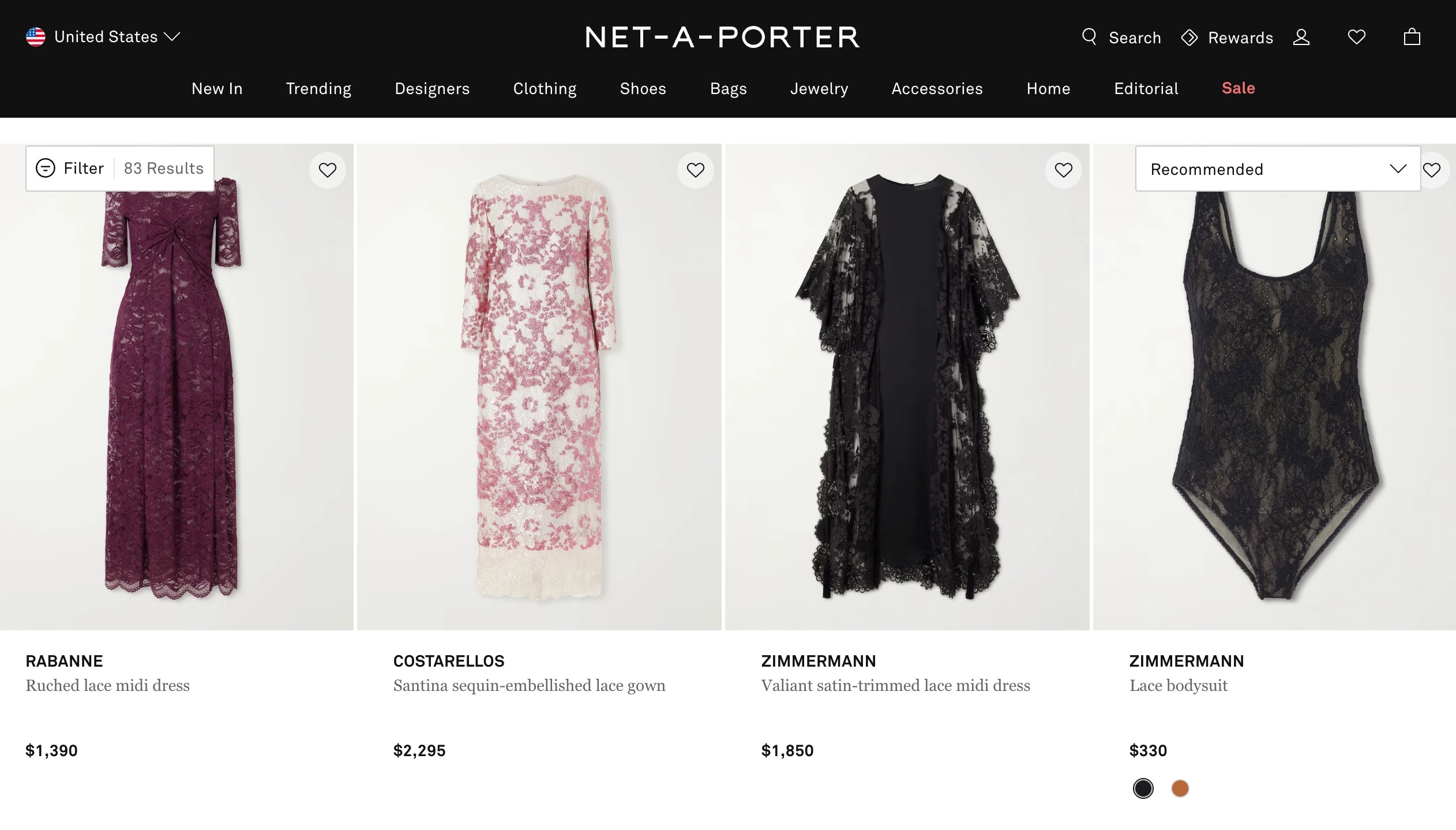
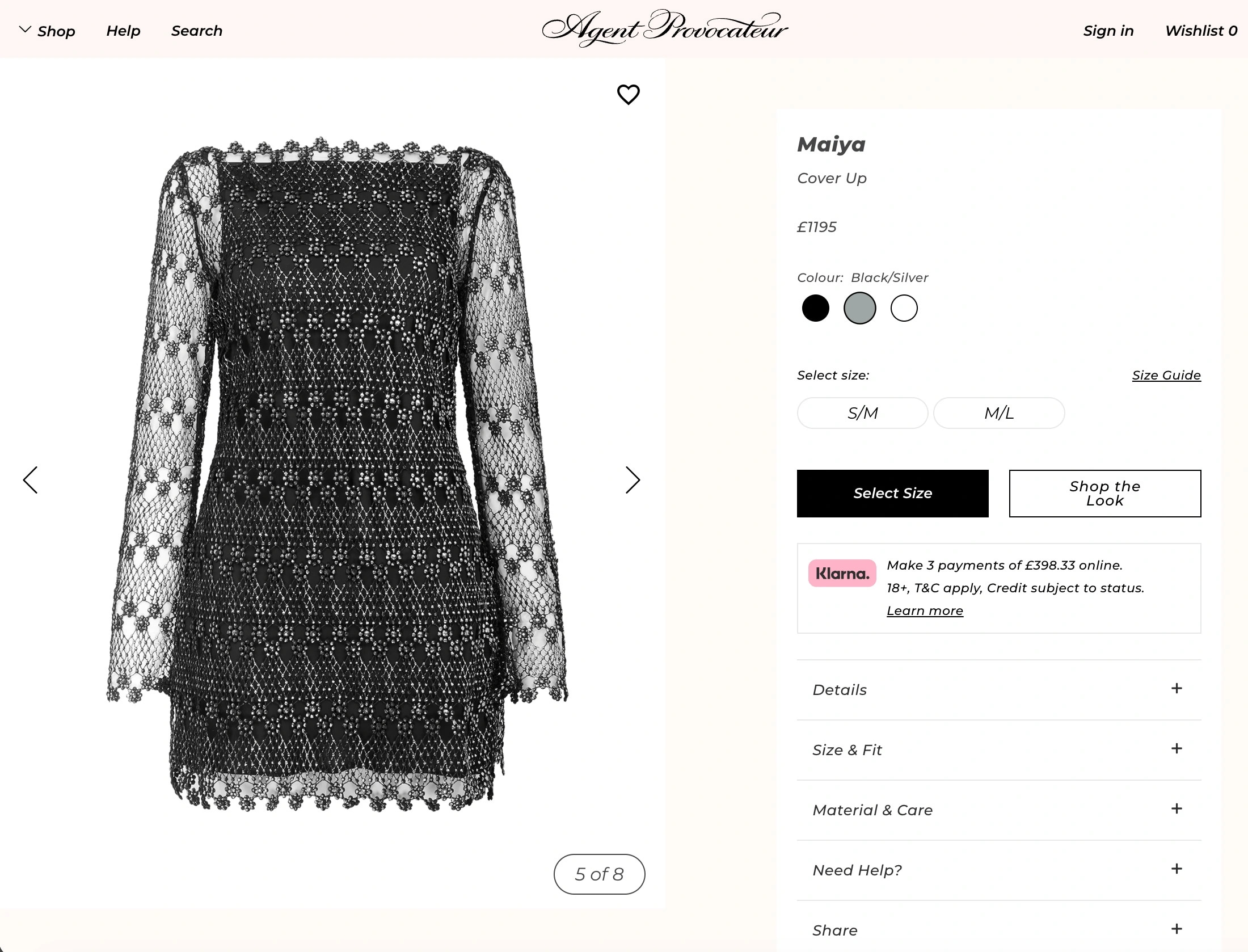
You can see this clearly on fashion ecommerce sites where texture is part of what sells the product.
On pages like NET-A-PORTER’s lace-heavy product listings or Agent Provocateur’s sheer lace product pages, the image is doing more than just showing the outline of the garment. It also has to preserve the openness, lightness, and softness that make those materials look believable. If that edge is cut too tightly, the garment can start to look heavier, flatter, or more artificial than it really is.
That is the kind of job where masking tends to do better than a path on its own.
Beauty and Model-Led Ecommerce Product Pages
The same issue shows up in beauty ecommerce too.
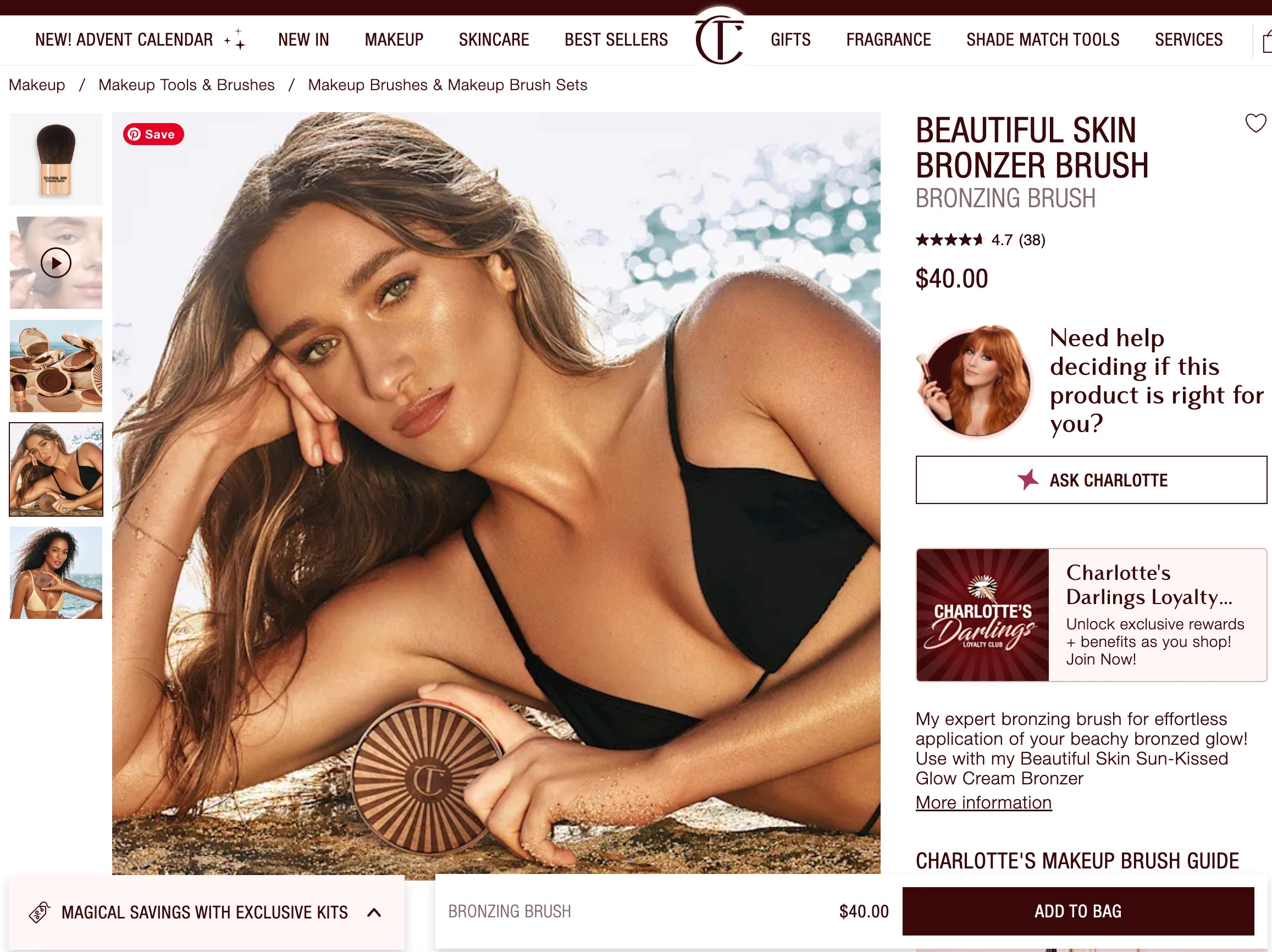
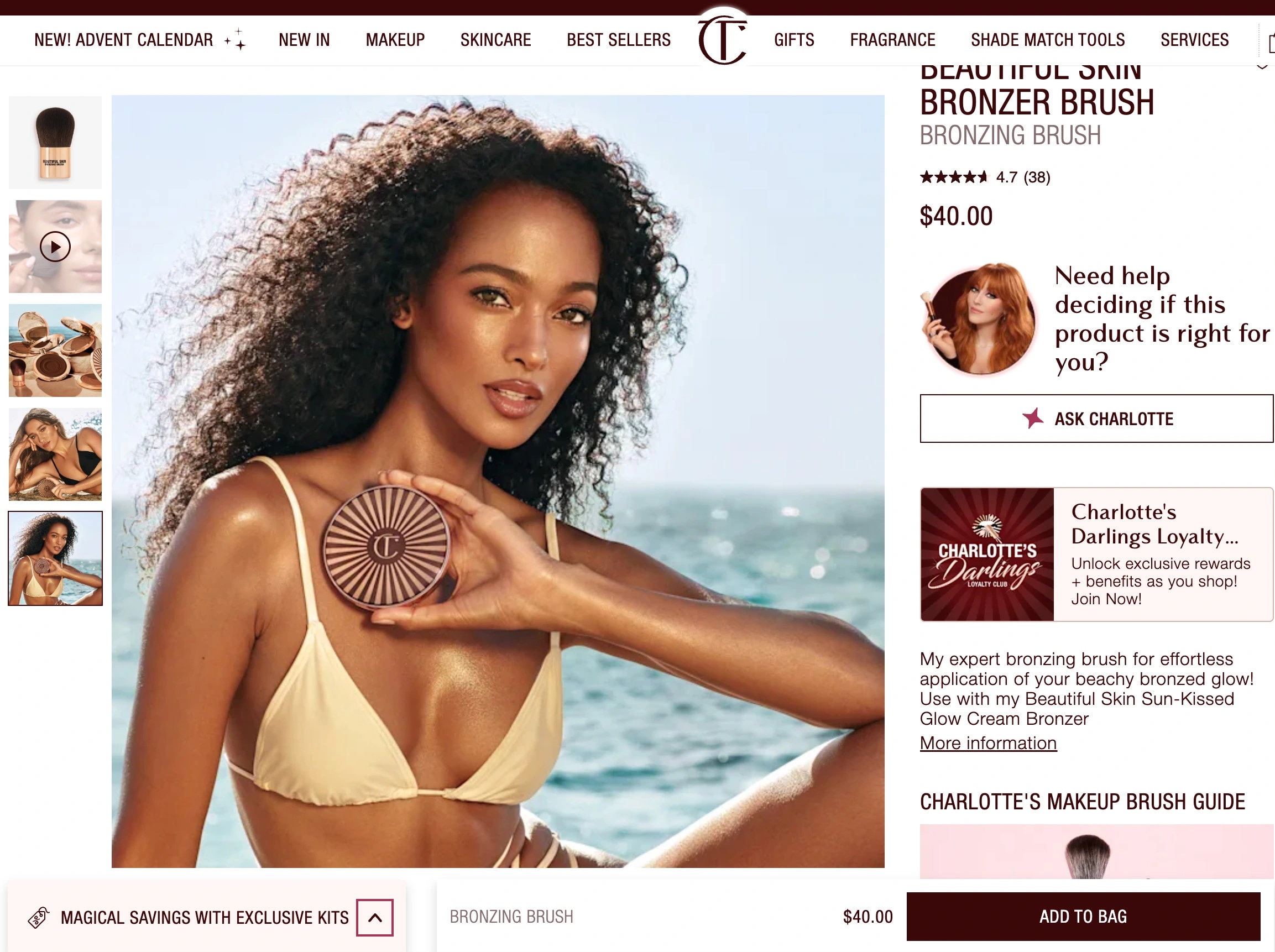
On sites like Ulta Beauty and Cult Beauty, model-led product imagery often carries more of the visual selling than the packshot itself.
Image suggestion: screenshot of an Ulta product page with a model-led hair image, paired with a Cult Beauty product page featuring a close-up beauty shot, with optional zoomed crops around the hairline and face edges.
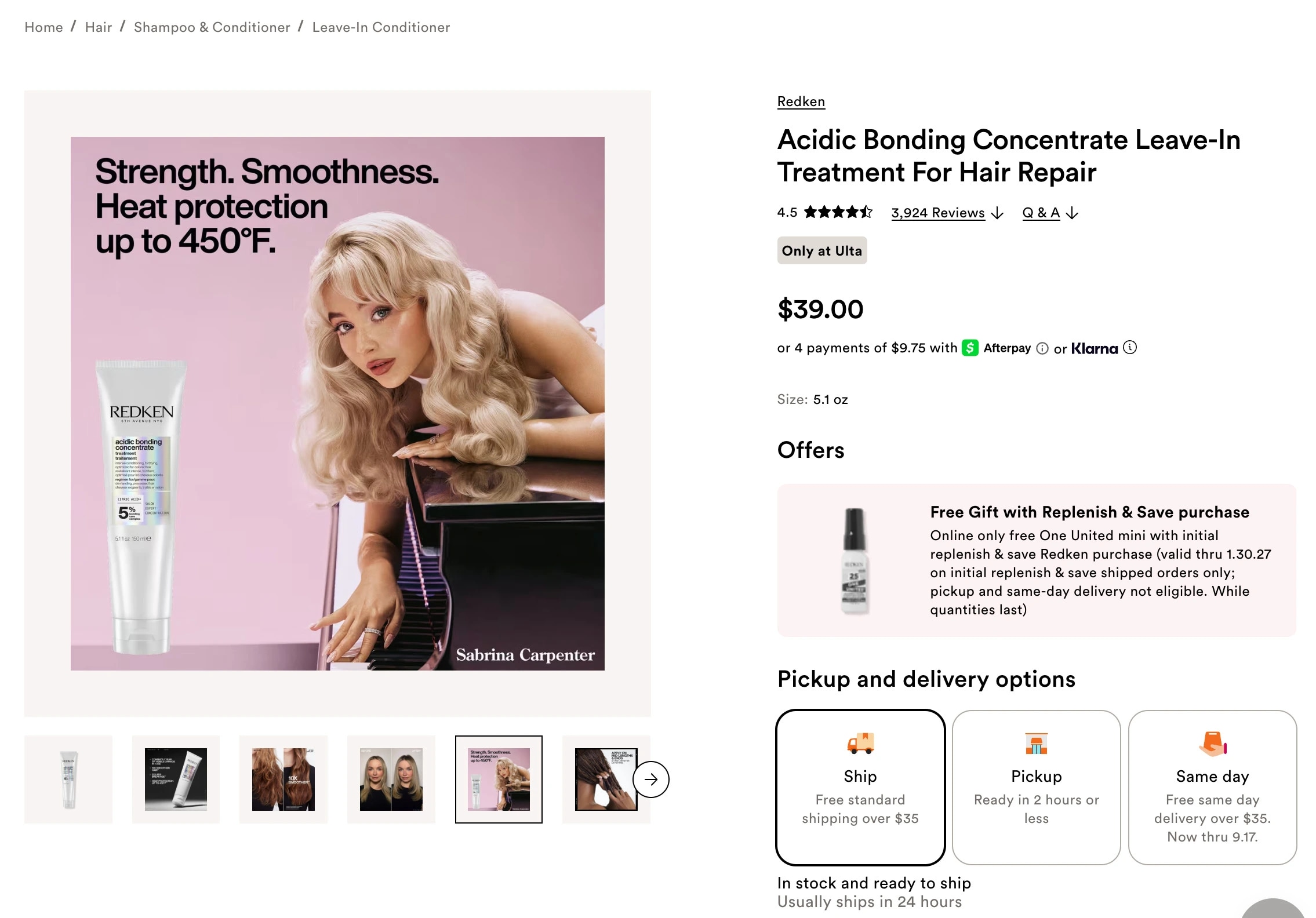
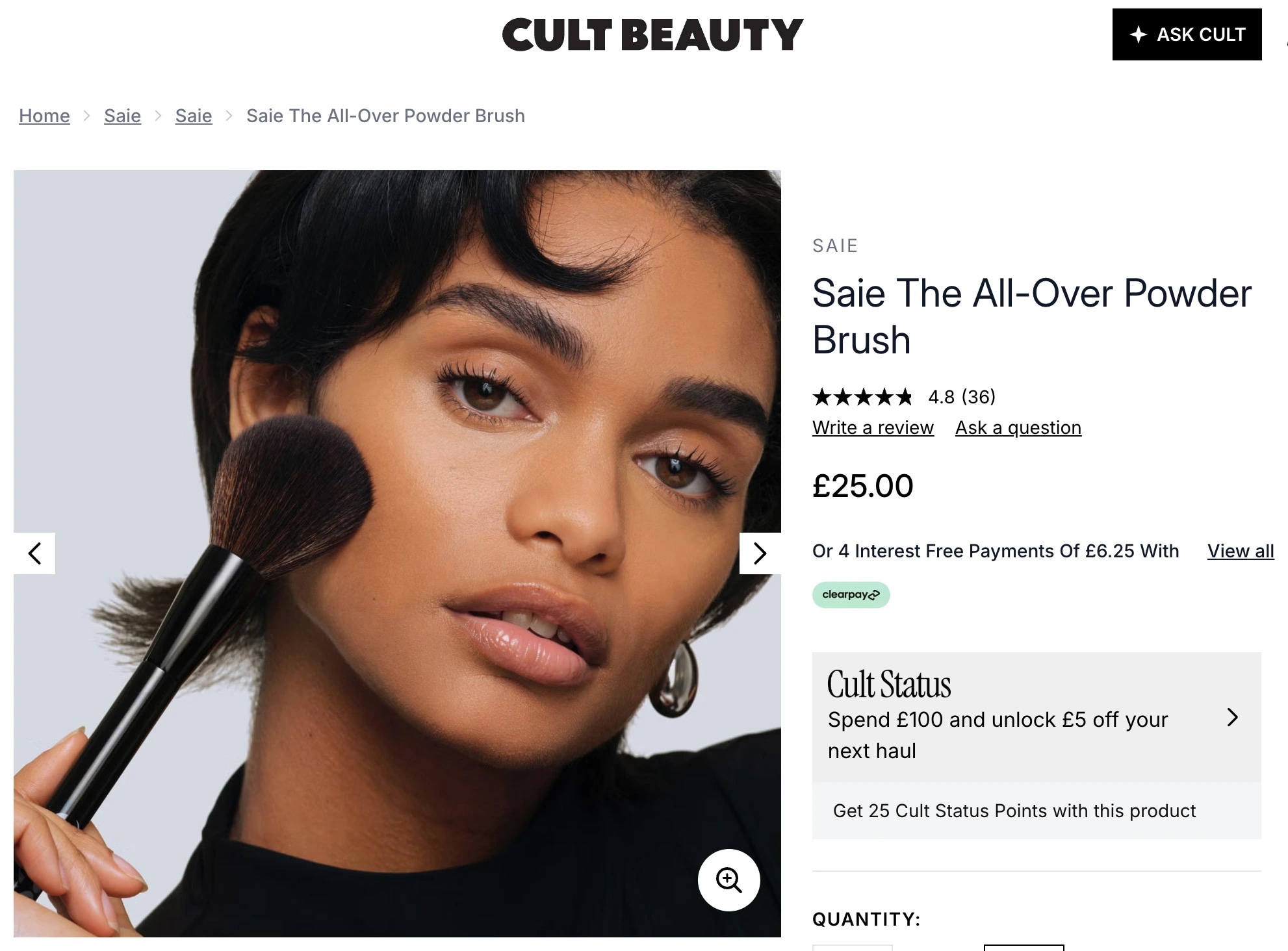
Hair detail, skin transitions, and softer edges around the face all need to sit cleanly within a polished site layout. If those edges are cut too hard, the model can start to look pasted onto the page instead of naturally part of it.
That is one reason masking is so important in ecommerce even when the product itself is not especially soft or textured. Sometimes the edge problem comes from the supporting image rather than the item being sold.
What a Clipping Path Can Miss
A clipping path works by drawing a clean outer boundary. That is exactly why it is so useful on hard-edged products.
But some ecommerce images need more than a clean boundary. They need the edge to keep showing softness, openness, transparency, or texture.
If the edit removes too much of that, the product can still look technically clean while feeling less true to the original image.
That is what happens when mesh starts to look solid, lace loses its openness, faux fur looks flattened, flyaways disappear, and semi-transparent edges become too heavy.
The image may be isolated, but it no longer carries the same visual detail.
Where Photography Masking Helps Ecommerce Most In Practice
Photography masking is especially useful when the image needs to sit cleanly on white without looking overly clipped, hold up under zoom, stay believable across product grids and category pages, preserve soft or semi-transparent detail, and match the quality of the rest of the catalogue.
- Sit cleanly on white without looking overly clipped
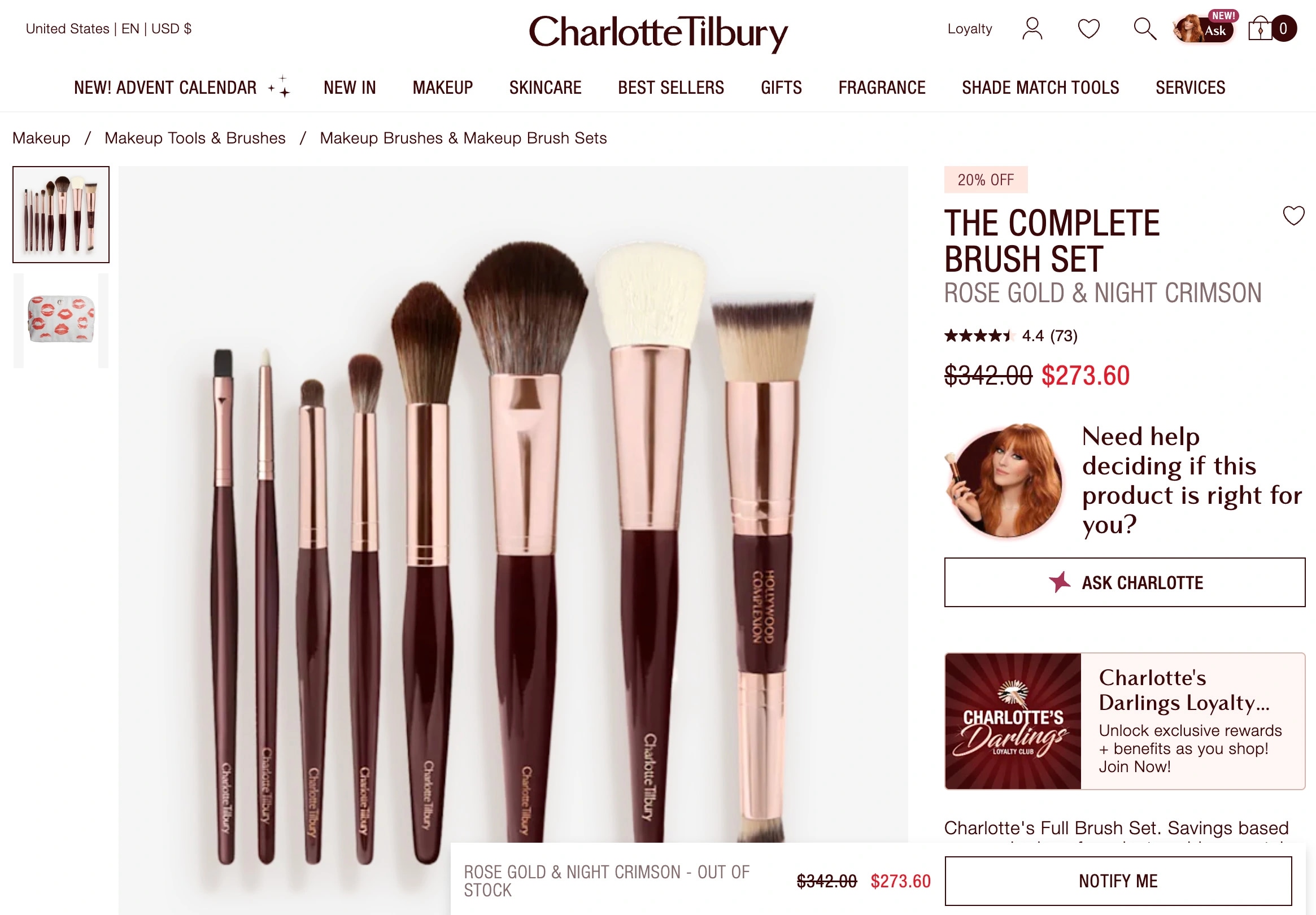
- Hold up under zoom
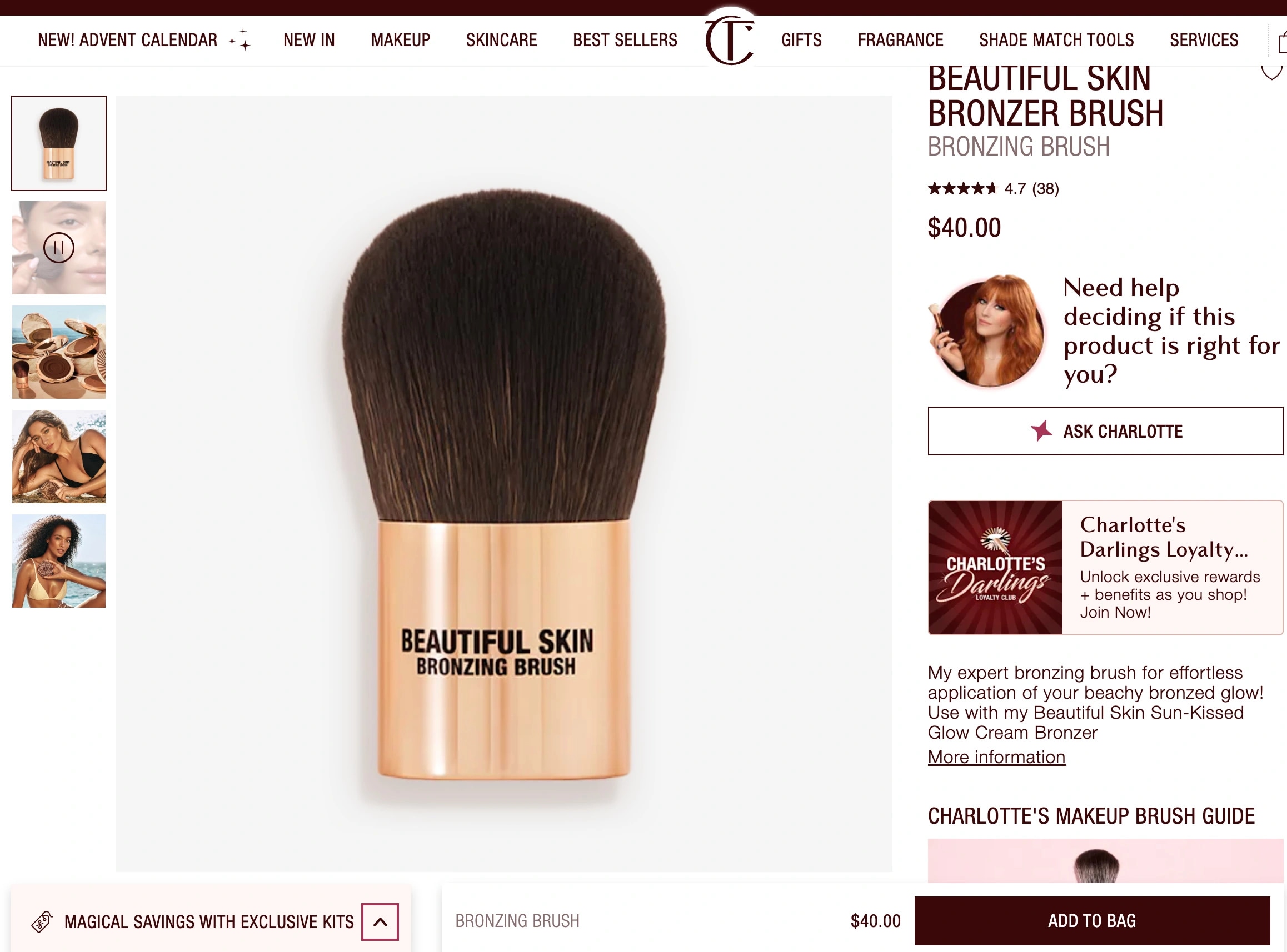
- Stay believable across product grids and category pages
- Preserve soft or semi-transparent detail
- Match the quality of the rest of the catalogue
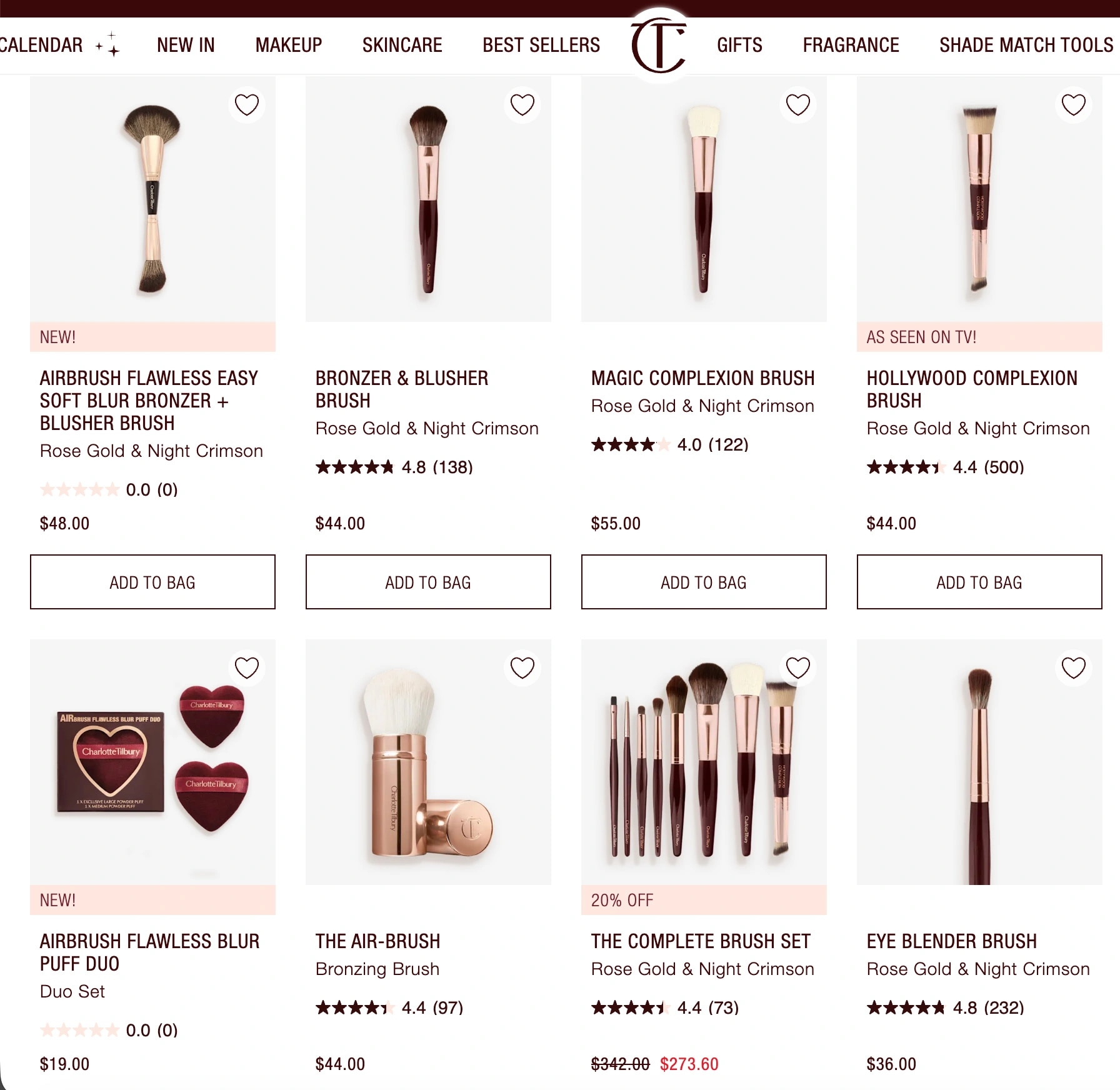
That last point is more important than people think. In ecommerce, customers often see multiple products together before they ever click through to a single listing. If one image looks flatter, harsher, or more obviously edited than the others, it stands out for the wrong reasons.
So When Does Ecommerce Photography Need Masking?
A clipping path is often enough when the product has hard, clearly defined edges and the image simply needs a crisp cutout.
Photography masking is usually the better fit when the image includes softness, texture, transparency, or fine detail that would look wrong if cut too tightly. That is why it shows up so often in fashion, beauty, home textiles, and other product categories where the edge is doing more than just marking the boundary of the subject.
The background may be gone either way. The real test is whether the image still looks believable after that.
Wish you could just hand this over to a pro? Surprise, you can.