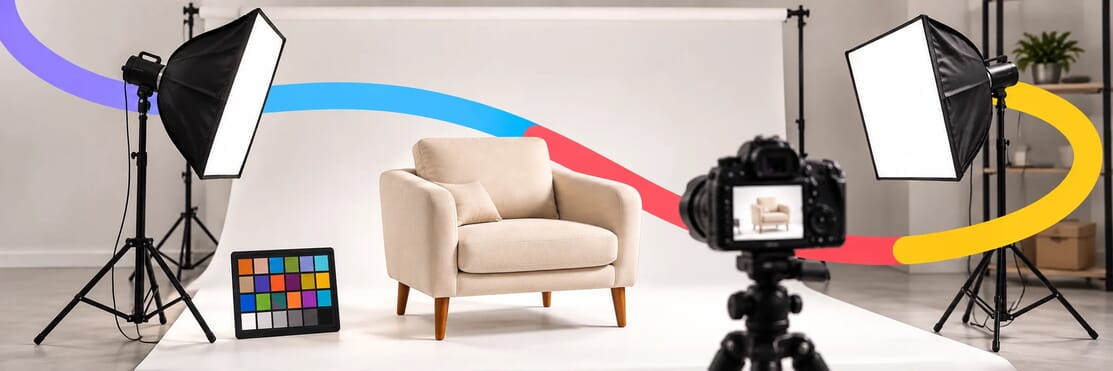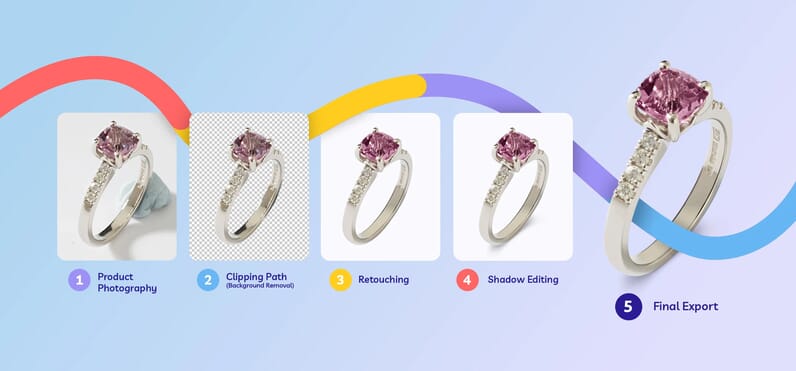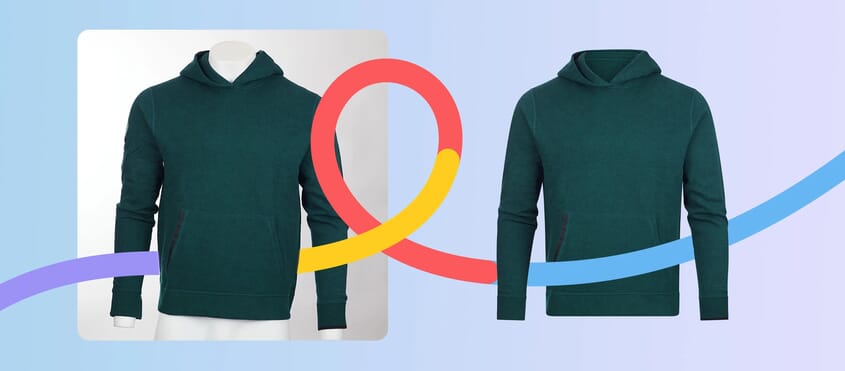
A well-crafted shadow effect can completely transform a product image.
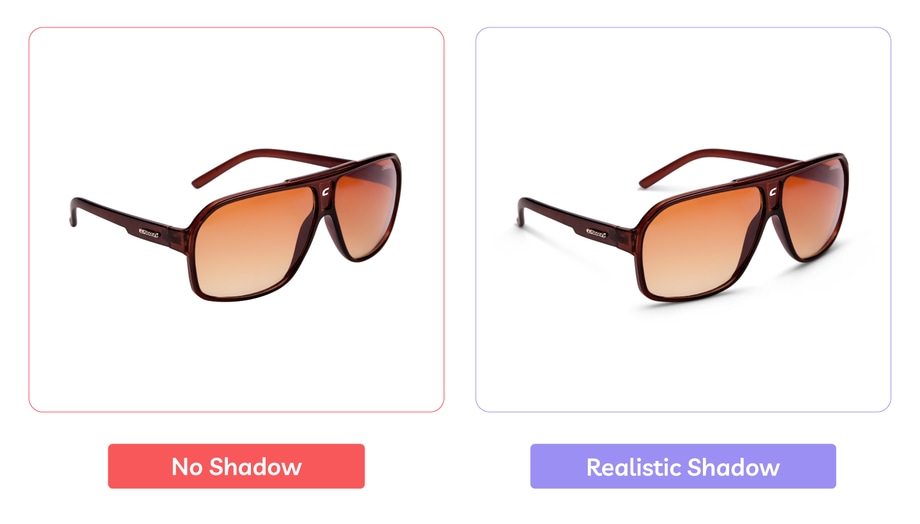
It adds depth, creates a sense of realism and helps products feel naturally positioned instead of appearing to float on the page. However, while shadows are an important part of ecommerce photography, they shouldn’t be added automatically to every image
The best product photos use shadows intentionally, matching the product, lighting and overall style of the catalogue.
In this guide, we’ll explain when a shadow effect should be added, when it may not be necessary and how professional shadow editing creates consistent results across an entire product catalogue.
Products That Benefit Most From Shadow Effects
Some products naturally benefit more from shadows than others.
A subtle product shadow can help define shape and depth for electronics, homeware, cosmetics, footwear, furniture, kitchen products and packaged goods. Without a realistic shadow, these products can appear flat or disconnected from the background.
When a Shadow Effect Makes the Biggest Difference
Adding a shadow is particularly valuable when:
- The background has been removed.
- Products appear to float on a white background.
- Images need to look consistent across a catalogue.
- Products are displayed individually rather than in lifestyle scenes.
- Multiple photographers have been used across different shoots.
In these situations, shadow editing helps create a more polished and professional appearance.
When You May Not Need a Shadow Effect
The goal isn’t to add shadows everywhere. It’s to use them where they genuinely improve the image. That’s why not every product image requires additional shadows. For example:
Lifestyle photography often contains natural lighting and shadows already.
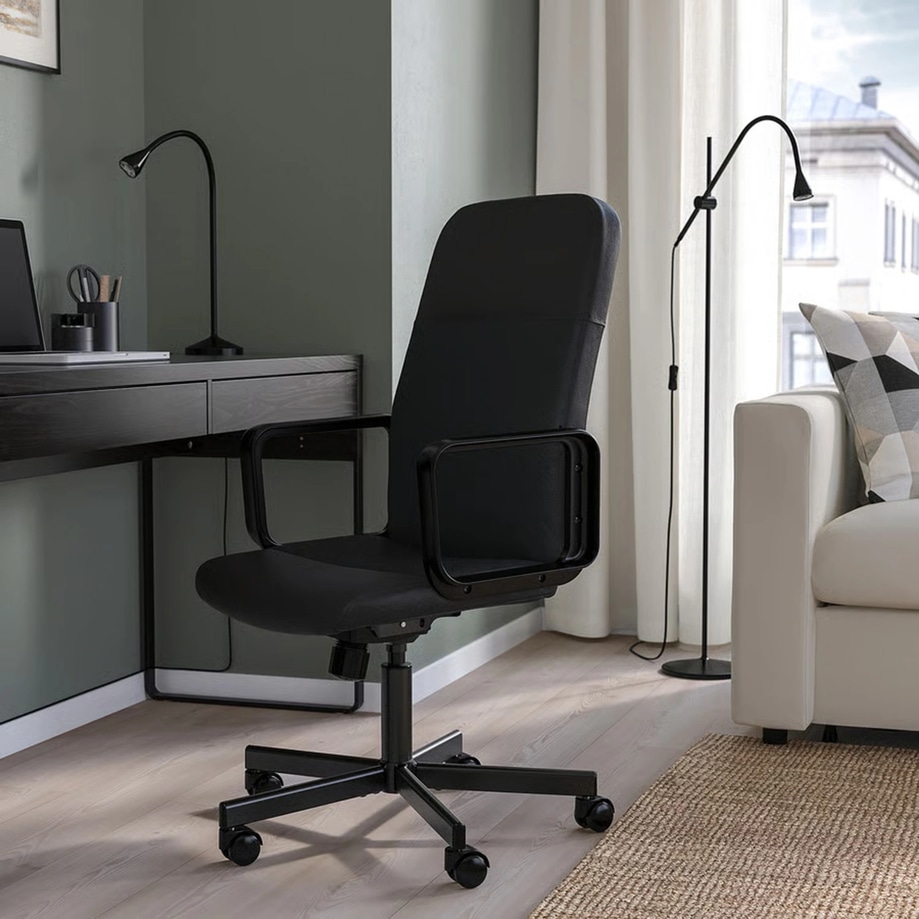
Creative marketing images may intentionally use dramatic lighting.

Some transparent products require specialised editing rather than standard shadow effects.
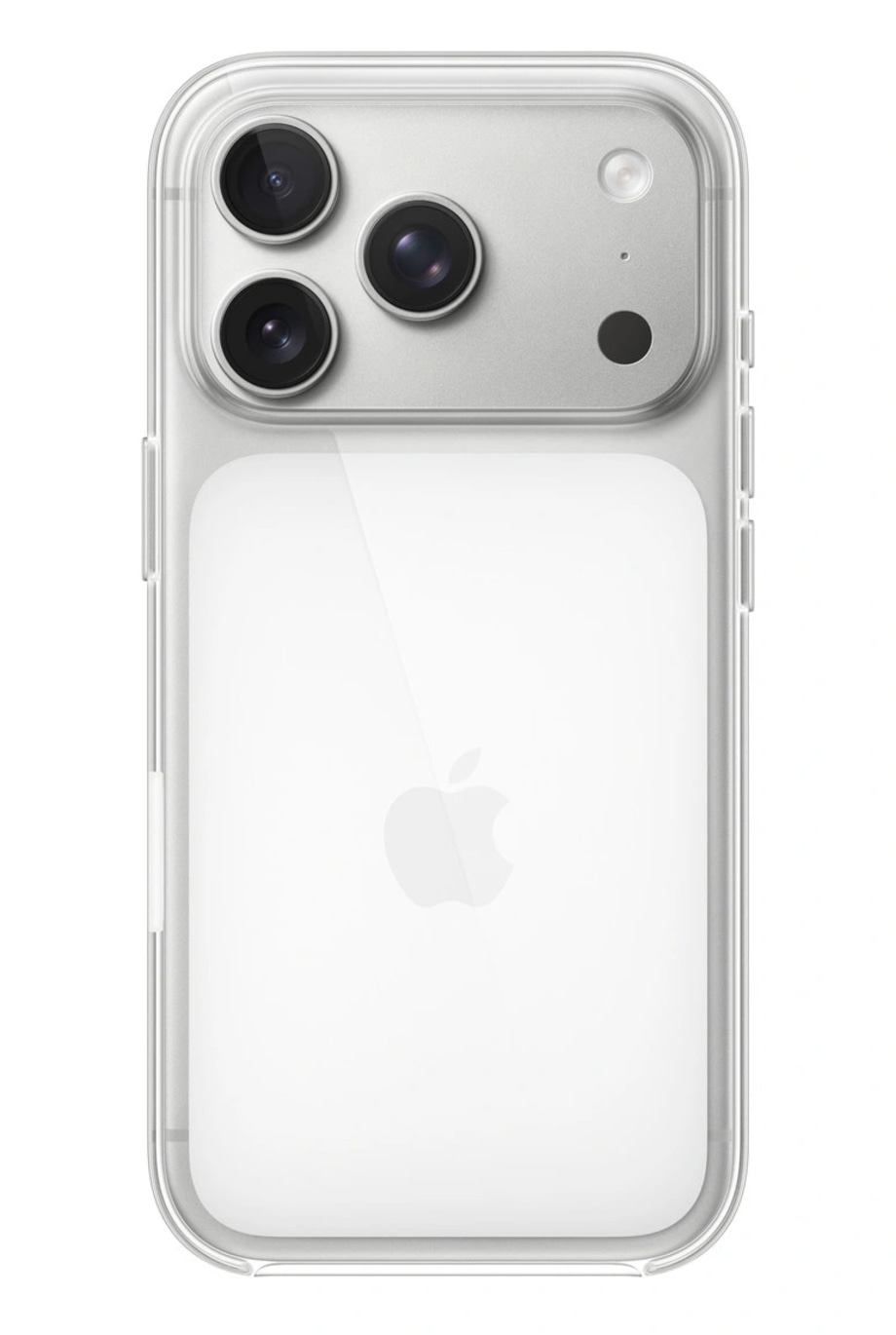
Certain marketplace images may need to follow strict platform requirements.

Choosing the Right Shadow Effect
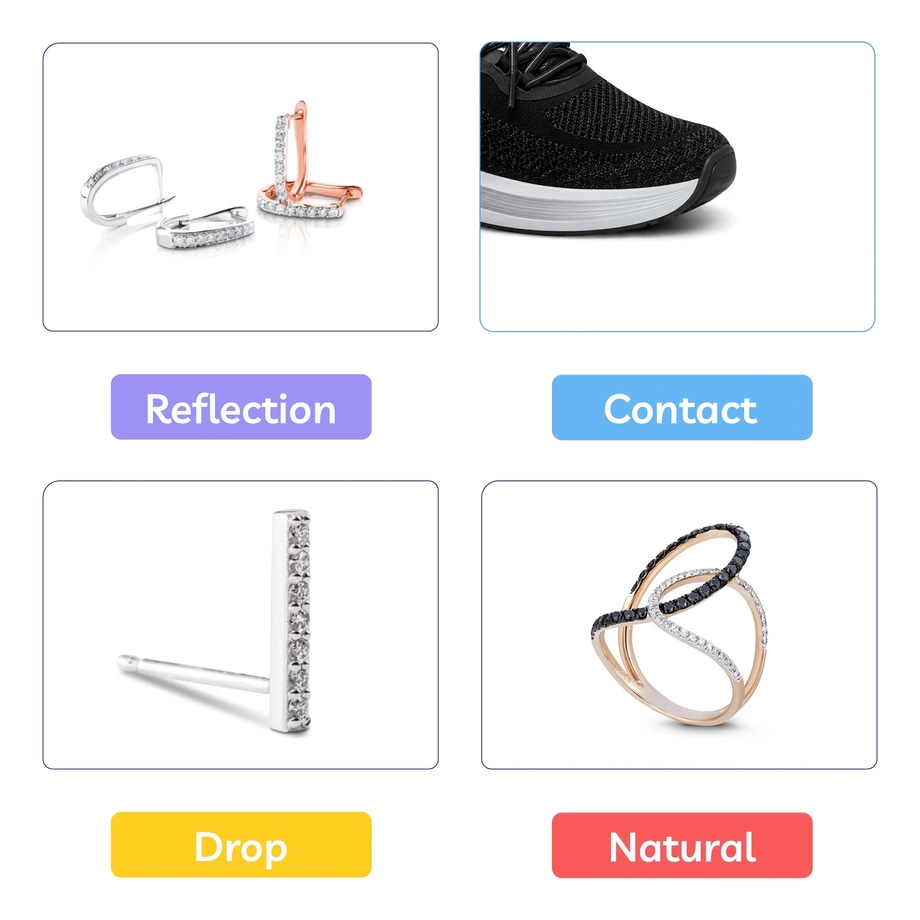
Different products call for different styles of shadow.
Soft natural shadows create realism.
Drop shadows provide clean catalogue consistency.
Reflection shadows suit luxury and premium products.
Contact shadows help products feel grounded on white backgrounds.
Choosing the right shadow effect depends on the product, your brand style and where the image will be used.
Photoshop vs Professional Shadow Editing
Modern software makes it possible to create almost any shadow effect in Photoshop.
The challenge isn’t creating a single shadow, it’s creating hundreds of realistic shadows that all look consistent.
For ecommerce businesses managing large catalogues, professional shadow editing helps ensure every product shares the same lighting direction, opacity and overall style while dramatically reducing editing time.
Common Mistakes When Adding Shadow Effects
Even small inconsistencies can make product images look less professional.
Common mistakes include:
- Shadows that are too dark.
- Incorrect light direction.
- Hard shadow edges.
- Oversized shadows.
- Using different shadow styles across the same catalogue.
Keeping shadows subtle and consistent almost always produces the most natural-looking results.
Like every aspect of ecommerce photography, the goal isn’t to make customers notice the editing, it’s to make the product look as natural and appealing as possible.
The right shadow helps products feel grounded, improves consistency across your catalogue and creates a more professional shopping experience for your customers.
Whether you’re editing a handful of product images or thousands of SKUs, knowing when to add a shadow is just as important as knowing how to create one.